












Why Electric Scooter Brakes Feel Different in Wet UK Weather (UK Riding Guide 2026)

If you ride an electric scooter in the UK, you may notice something quite common:
👉 Your brakes feel different when the roads are wet or slightly damp.
This is a normal experience for many riders and is not usually a sign that something is wrong with your scooter.
In the UK, where weather can change quickly from dry to light rain or drizzle, riding conditions constantly affect how your scooter performs—especially when it comes to braking.
Why This Happens So Often in the UK
The UK has a unique riding environment compared to many other countries.
Instead of heavy storms, riders often deal with:
- Frequent light rain (drizzle)
- Damp or slightly wet roads
- Sudden weather changes within minutes
- Cold, low-grip morning surfaces
These conditions directly affect how tyres interact with the road surface.
When the ground is wet or damp, friction is reduced, which naturally changes braking feel and stopping distance.
Braking Feels Different — But the Scooter Is Not Faulty
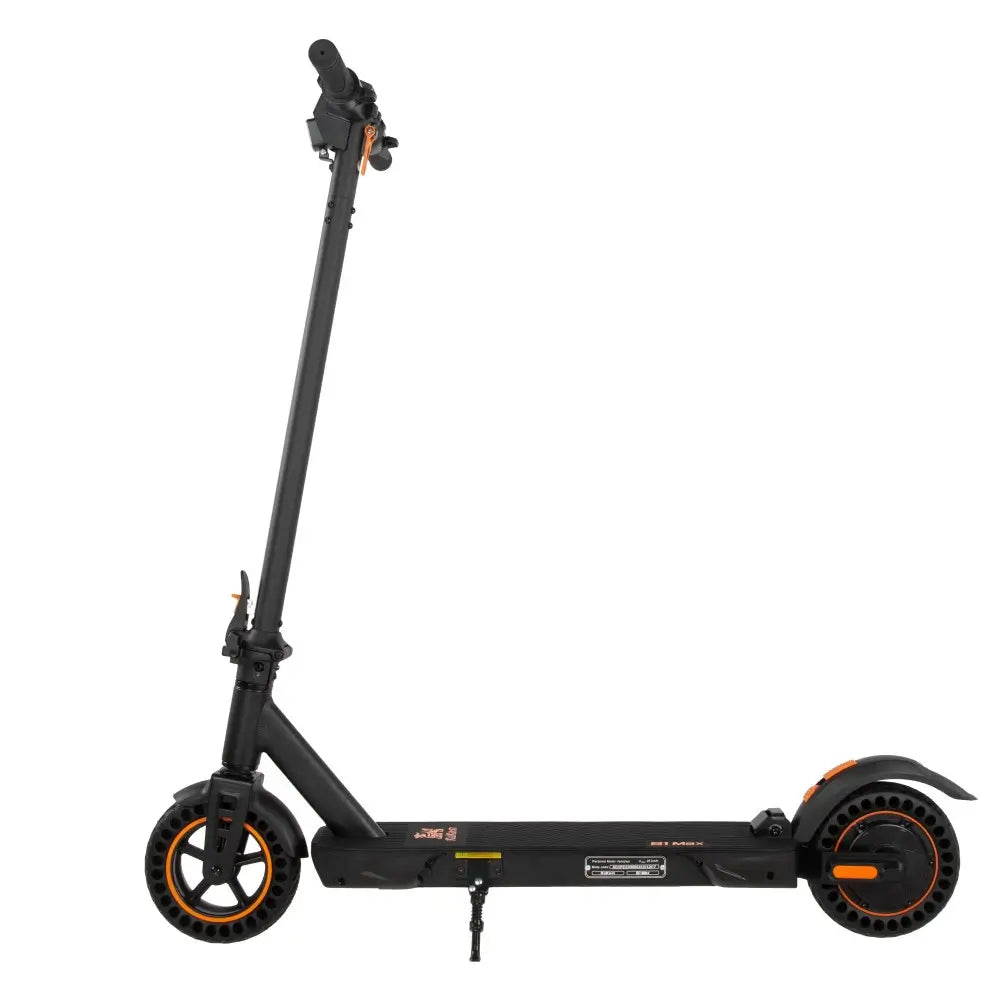
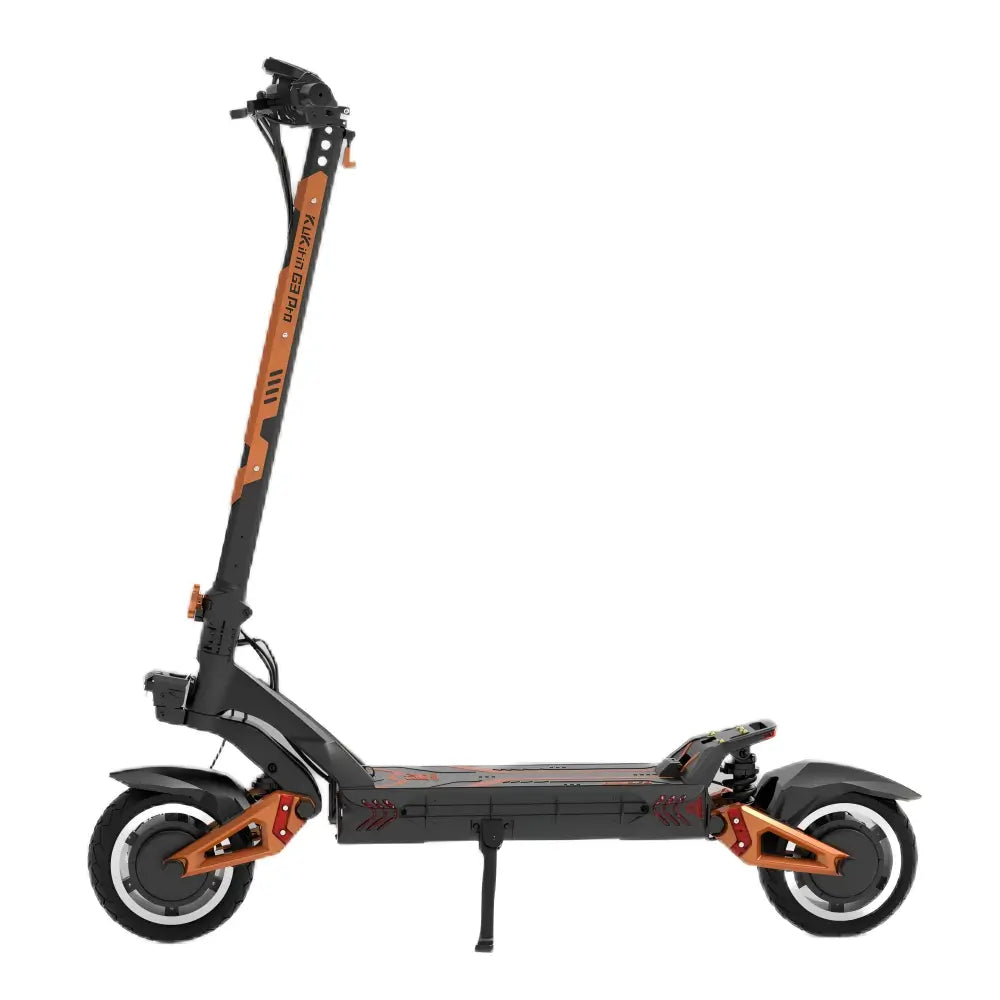
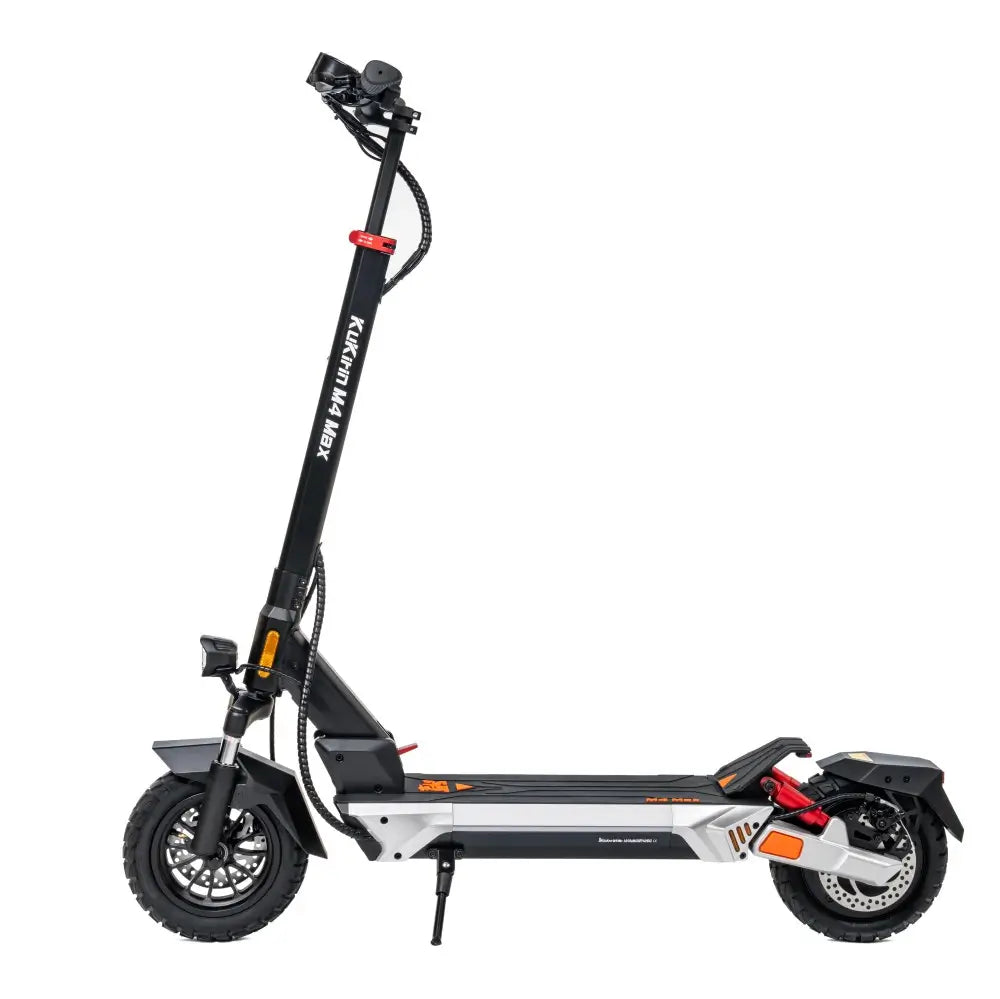
Most electric scooters, including Kukirin models, use disc braking systems designed for consistent performance.
However, in real UK riding conditions:
- The road surface, not the brake system, becomes the limiting factor
- Water creates a thin layer between tyre and road
- Grip is reduced even with good-quality tyres
This is why braking may feel:
- Slightly longer
- Less sharp
- More gradual than on dry roads
This is completely normal in wet UK conditions.
Wet UK Roads: The Real Factor Behind Braking Changes
UK roads are often described by riders as:
👉 “Changing from dry to damp without warning”
Even light moisture can affect riding because:
- Painted road markings become slippery
- Metal surfaces (manholes, crossings) reduce grip
- Leaves and dirt mix with water, lowering traction
This combination is why braking feels inconsistent at times, even if your scooter is working perfectly.
How Different Kukirin Models Handle Wet Conditions
Different Kukirin scooters respond differently depending on their structure and stability design.
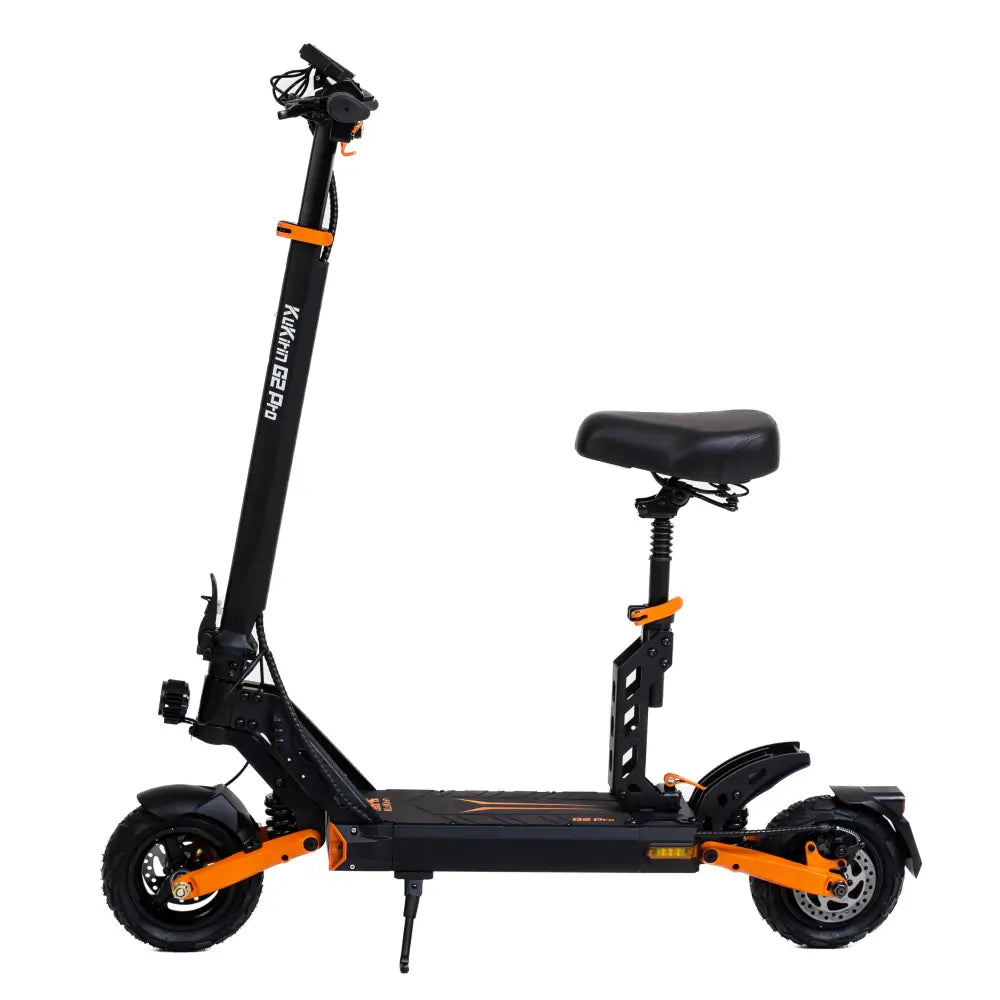
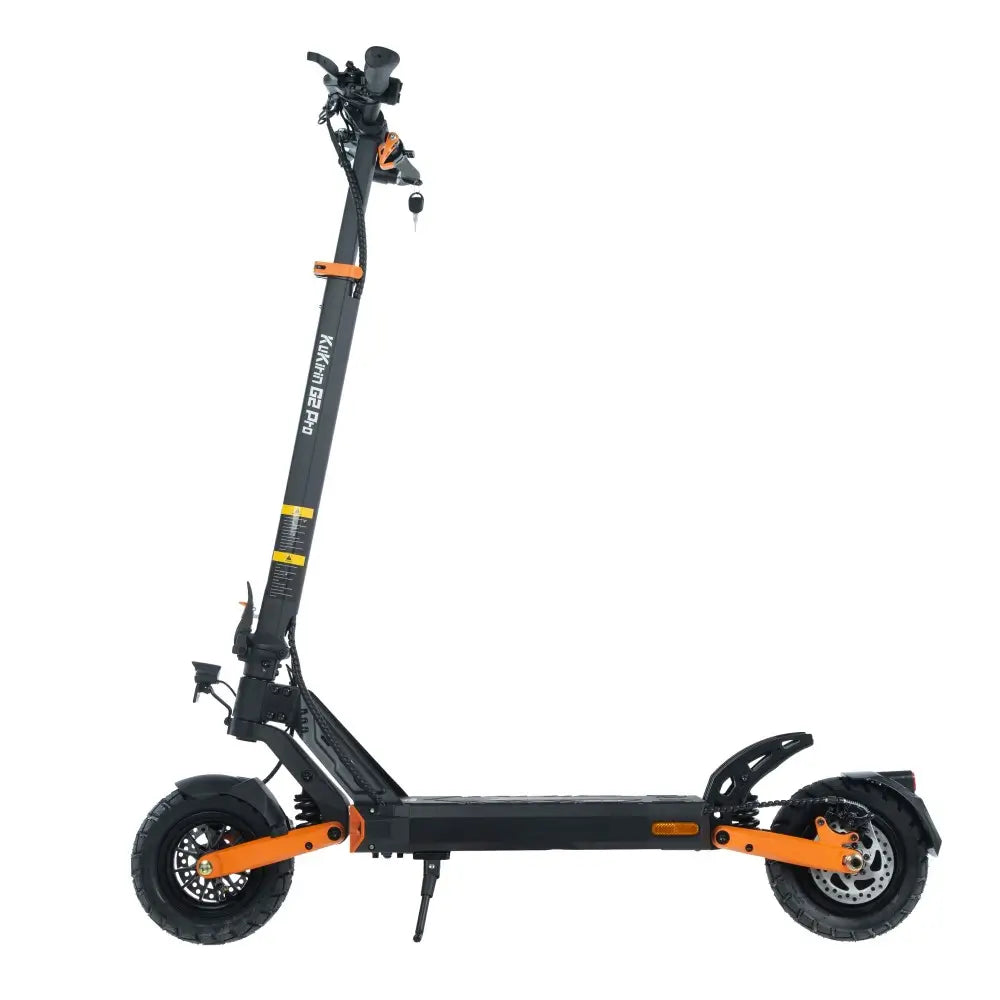
Kukirin G2 – Stable Urban Riding
👉 https://kukirin.co.uk/products/kukirin-g2-electric-scooter
The G2 offers controlled and predictable braking behavior, making it suitable for everyday city riding in mixed UK weather.

Kukirin G4 – Stronger Stability and Control
👉 https://kukirin.co.uk/products/kukirin-g4-electric-scooter
The G4 provides more stability at higher speeds, which helps riders maintain confidence during longer urban trips in changing conditions.

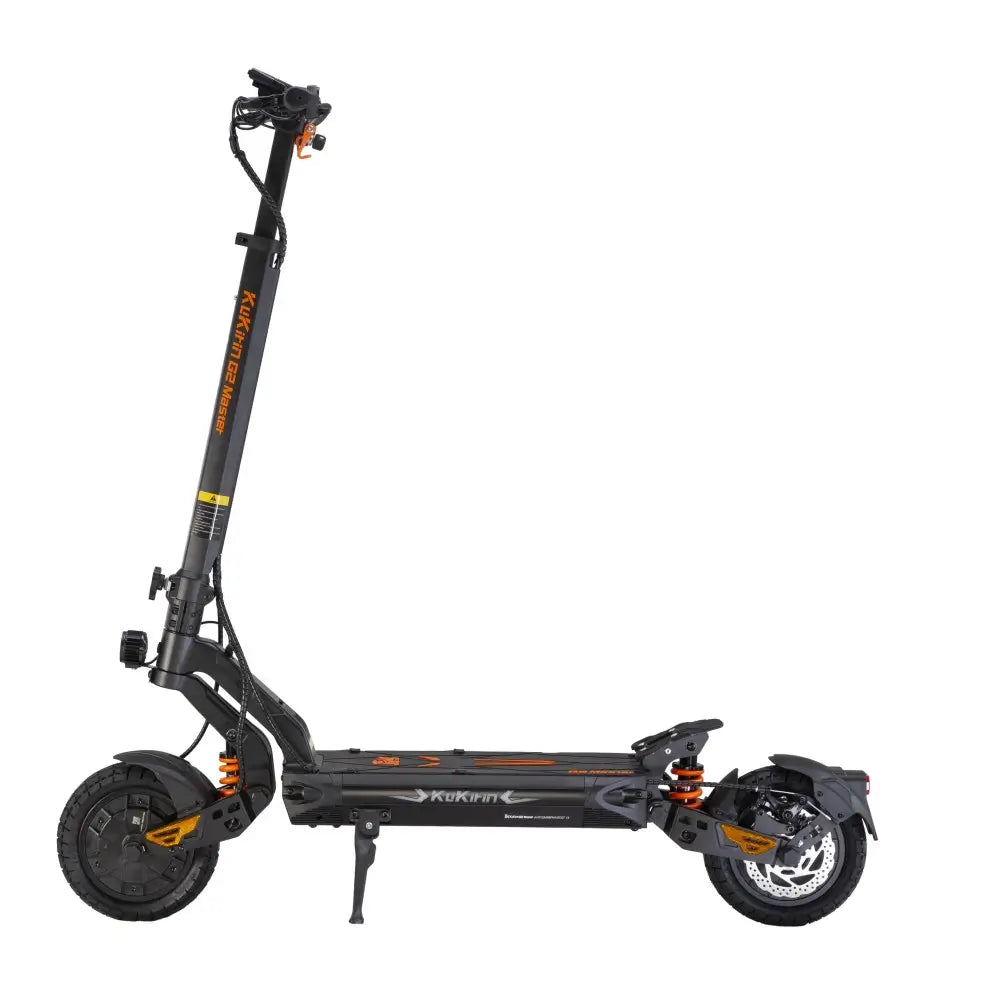
Kukirin G2 Master – Balanced Comfort for All Weather
👉 https://kukirin.co.uk/products/kukirin-g2-master-electric-scooter
The G2 Master is designed for riders who want smoother handling and consistent control across varied road conditions.
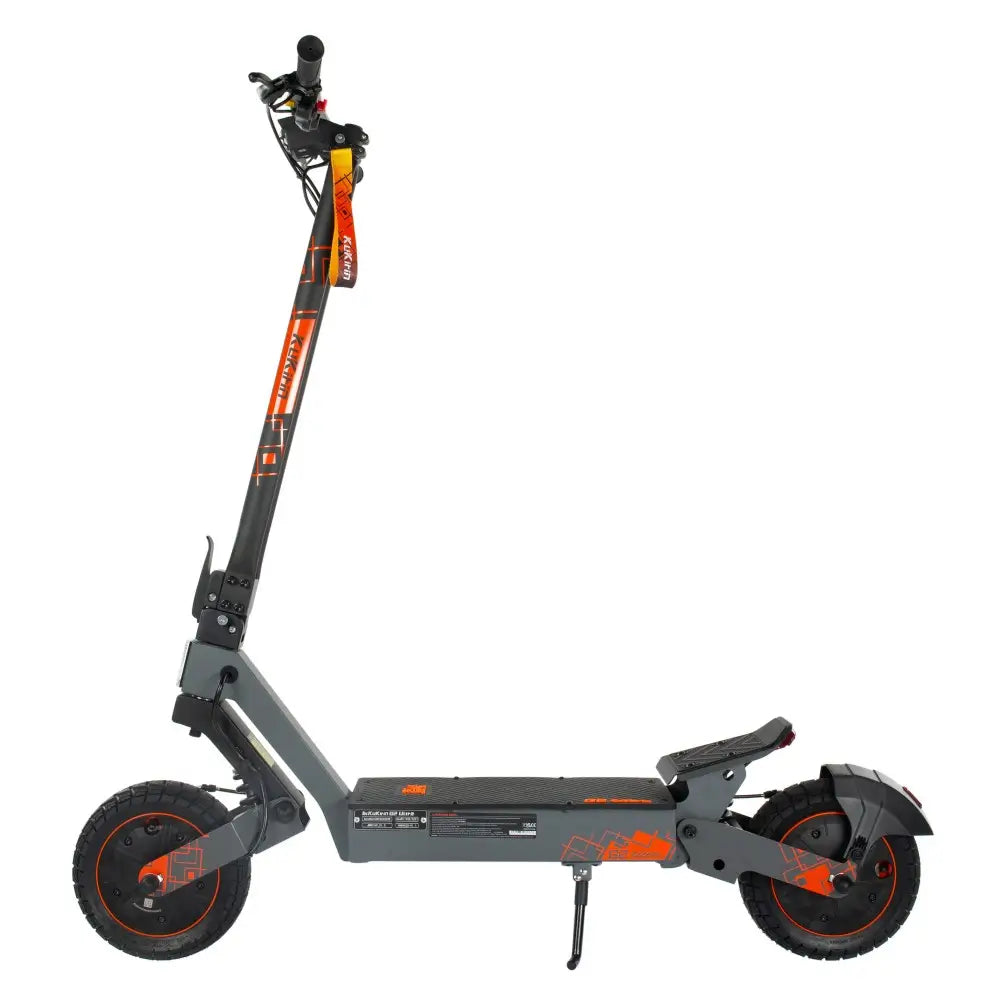
Kukirin G2 Ultra – Advanced Riding Experience
👉 https://kukirin.co.uk/products/kukirin-g2-ultra-electric-scooter
The G2 Ultra delivers a more advanced riding setup that supports better handling stability in demanding environments.
What UK Riders Should Do in Wet Conditions
To stay safe and maintain good braking control, UK riders should:
- Reduce speed on wet or damp roads
- Avoid sudden or hard braking
- Increase following distance from other vehicles
- Be extra careful on painted or metal surfaces
- Check tyre condition regularly
These simple habits significantly improve safety in typical UK weather.
When You Should Be Concerned
While most braking changes are normal, you should inspect your scooter if you notice:
- No braking response at all
- Grinding or unusual metal sounds
- Brake lever feels loose or inconsistent
- Visible damage to brake components
In these cases, maintenance or inspection is recommended.
Final Thoughts
In the UK, changing weather conditions are part of everyday riding life.
Wet and damp roads naturally affect braking performance, but this does not mean your scooter is faulty.
Understanding how UK weather influences grip and braking helps riders stay confident and safe throughout the year.
With proper riding habits, Kukirin electric scooters remain reliable for daily commuting across all typical UK conditions.
Leave a comment