











The Electric Scooter Safety Guide for Real-World Riding


Electric scooter safety advice often sounds the same.
Wear a helmet. Follow the rules. Check your brakes. Be careful.
All of that is true, but it doesn't tell you much about what actually happens during a normal ride.
Real-world riding is rarely about one dramatic mistake. More often, problems come from small moments: pulling out of a side street without seeing around a parked car, looking down at a phone for too long, entering a downhill section faster than expected, or assuming that a driver has noticed you.
The safest riders aren't necessarily the slowest riders. They're usually the ones who give themselves enough time and space to deal with things before they become emergencies.
Before You Ride: Give the Scooter 30 Seconds
You don't need to perform a full mechanical inspection every time you leave the house.
But there are a few things worth noticing before you set off.
Look at the tyres. Do they appear normal? Is anything obviously damaged or unusually soft?
Try the brakes briefly before you reach the road.
Check that the handlebar feels secure and that the controls are behaving normally.
Then think about the ride itself. Do you have enough battery for the route you're planning? If you're heading somewhere unfamiliar, do you know roughly where you'll be riding?
That short pause is easy to skip because nothing seems wrong.
That's exactly why it's useful.
The First Few Minutes Deserve More Attention
The beginning of a ride can be surprisingly easy to underestimate.
You've just left home, the road looks familiar and you're probably thinking about where you're going rather than the traffic around you.
This is especially relevant when leaving a driveway, garage, car park or residential area.
Don't treat the first few hundred metres as the easy part of the journey.
Take a moment to get a feel for the scooter, the road surface and the traffic before settling into your normal pace.
A few extra seconds at the beginning can make the rest of the ride much more predictable.
Intersections Are Where Assumptions Become Problems
An empty stretch of road can feel intimidating because you're travelling quickly.
Busy intersections are different.
There are simply more things happening at once.
A vehicle may be turning across your path. A parked van may block someone's view. A driver may be looking for a gap in traffic rather than looking specifically for a scooter.
This is why having the right of way isn't the same thing as knowing that you've been seen.
Never let “they should have seen me” become your safety strategy.
Approach intersections with enough time to react if another road user does something unexpected.
And when your view is blocked, assume there may be something behind the obstruction that you haven't seen yet.
A Parked Car Isn't Always Empty Space
One of the easiest hazards to overlook in a city is a parked car.
You see an open section of road beside it and naturally want to use that space.
But the car door may open.
Someone may step out.
A passenger may suddenly cross in front of the vehicle.
That's why riding alongside parked cars requires more attention than an empty lane might suggest.
Give yourself room where possible, and don't fly through a narrow gap simply because it happens to be available.
A few metres of extra space can be much more valuable than saving a few seconds.
Don't Let Your Phone Decide Where You Crash
Navigation is useful.
Trying to read a map while moving is not.
Even a quick glance at a phone can take your attention away from what's happening directly in front of you.
If you're unsure where to turn, there's nothing wrong with stopping somewhere safe and checking the route.
For longer journeys, it can also help to look at the route before leaving and remember the main turns rather than relying on your screen every few minutes.
The goal isn't to avoid using technology.
It's to make sure the technology isn't demanding your attention at exactly the wrong moment.
Wet Roads Have Their Own Rules
Riding after rain isn't automatically a bad idea, but wet surfaces can behave very differently from dry ones.
The obvious part is reduced grip.
The less obvious part is that some surfaces can become much more slippery than others.
Metal covers.
Painted road markings.
Smooth tiles.
Leaves.
Standing water.
Oil or other residue on the road.
You may barely notice these surfaces while walking, but they can matter much more when you're travelling on two wheels.
If conditions are wet, leave yourself more room for braking and avoid making sudden steering or braking movements whenever possible.
And if you're unsure how a particular surface will behave, don't use the ride itself as an experiment.

Downhill Is Not the Time to Relax
Going downhill can feel effortless.
The scooter is carrying you forward without much input.
That's also why speed can build without you noticing.
The mistake is waiting until you've reached a speed you're uncomfortable with before thinking about slowing down.
If a downhill section is unfamiliar, control your speed before you enter it.
Think about what's coming next, not just what's happening underneath you right now.
A corner, pedestrian crossing or intersection becomes much harder to deal with when you've already allowed too much speed to build.
At Night, Being Able to See Isn't Enough
A good headlight helps you see the road.
It doesn't automatically make you visible to everyone else.
Night riding therefore has two separate problems.
You need to see where you're going, and other road users need a reasonable chance of noticing you.
Use appropriate front and rear lighting and consider reflective elements when conditions are dark.
Also pay attention to where you are positioned around larger vehicles. Being hidden beside a car or truck can make it much harder for a driver to notice you.
Visibility isn't about making yourself impossible to miss.
It's about giving other people enough information and time to react.
Leave More Space Than You Think You Need
Following another vehicle too closely might save a little distance.
It also removes your options.
If the vehicle brakes suddenly, you have less time to respond.
If a pedestrian steps into the road, you have less room to avoid them.
If the road surface changes, you have fewer places to go.
The same applies when passing parked cars or moving around other riders.
Space is useful because it gives you choices.
You don't need to predict exactly what another person will do if you've left yourself enough room to respond when they do something unexpected.
Know When a Route Isn't Worth It
The shortest route isn't automatically the safest route.
Sometimes a road simply isn't worth the trouble.
Maybe traffic is heavy and there is very little room.
Maybe the surface is badly damaged.
Maybe you're constantly having to brake for pedestrians.
Maybe visibility around the next corner is poor.
If you find yourself spending the entire journey thinking, “I really don't like this road,” listen to that feeling.
Taking another route might add five minutes.
That's usually a much better trade than spending five minutes trying to force a difficult route to work.
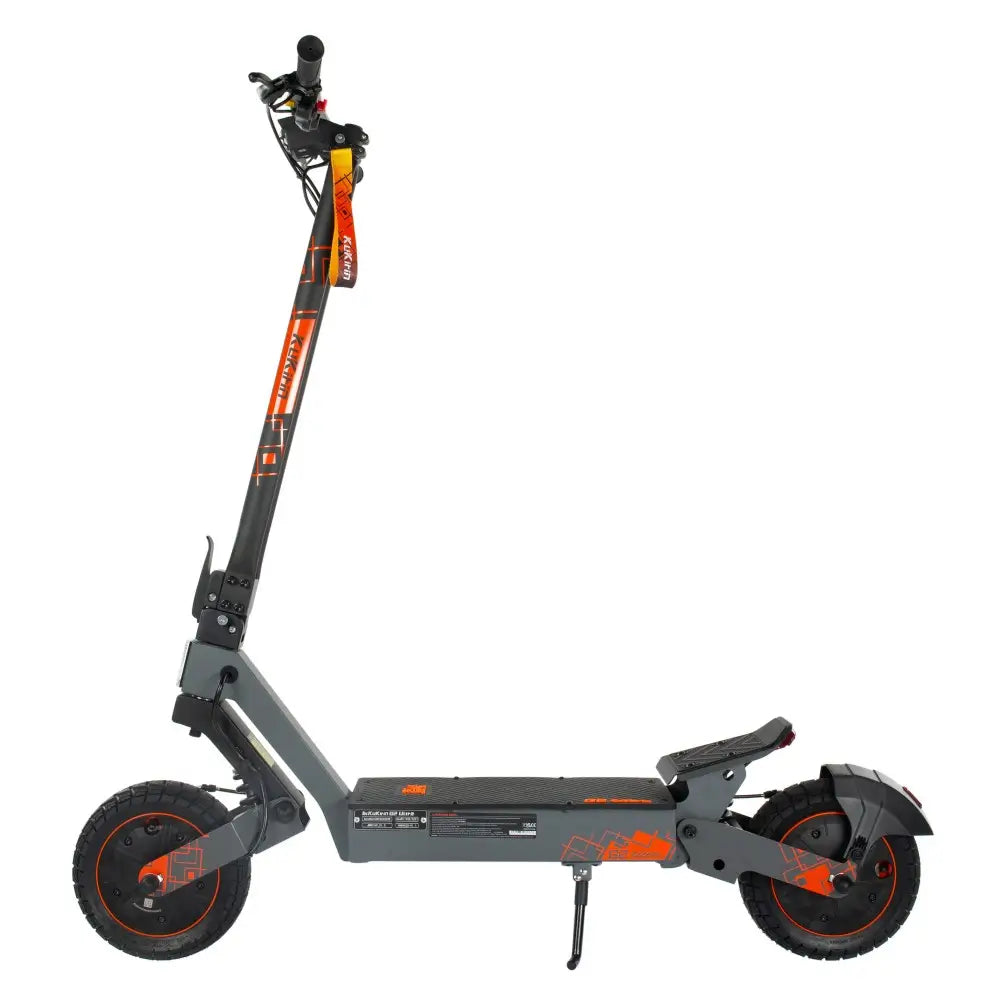
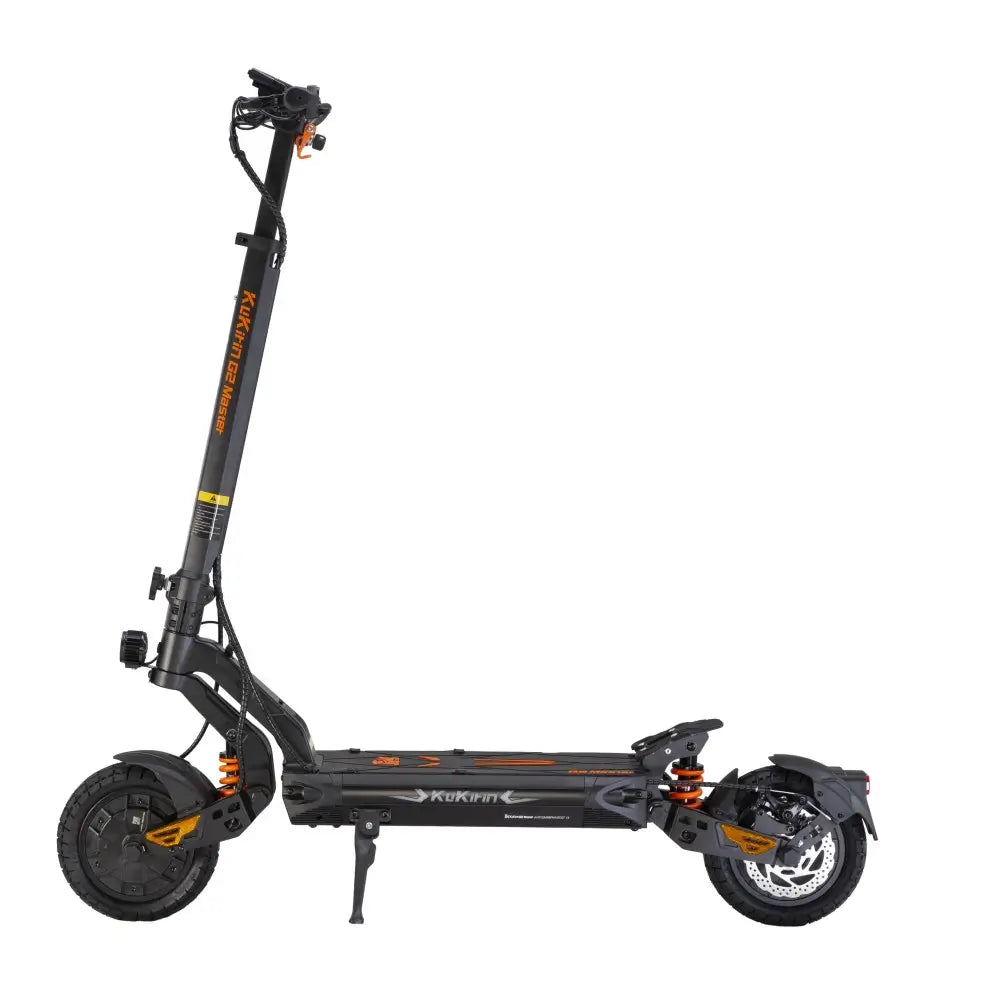
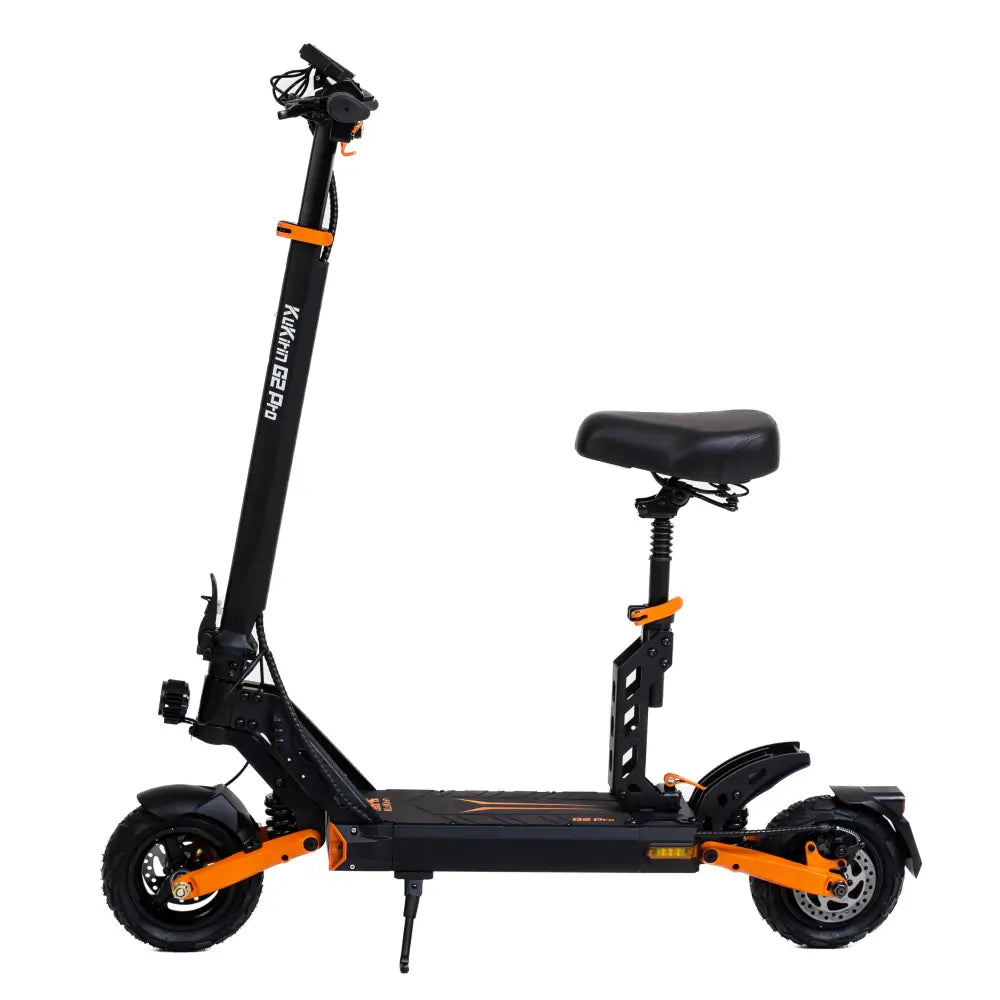
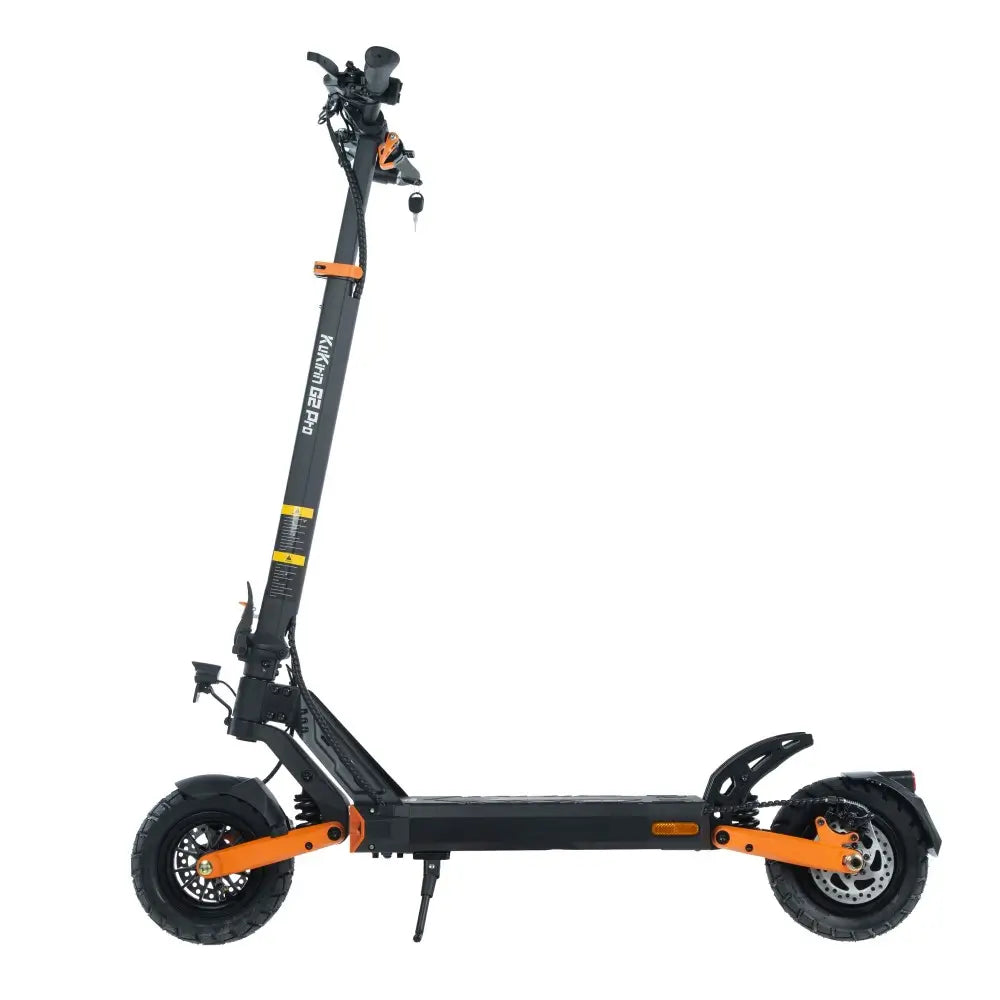
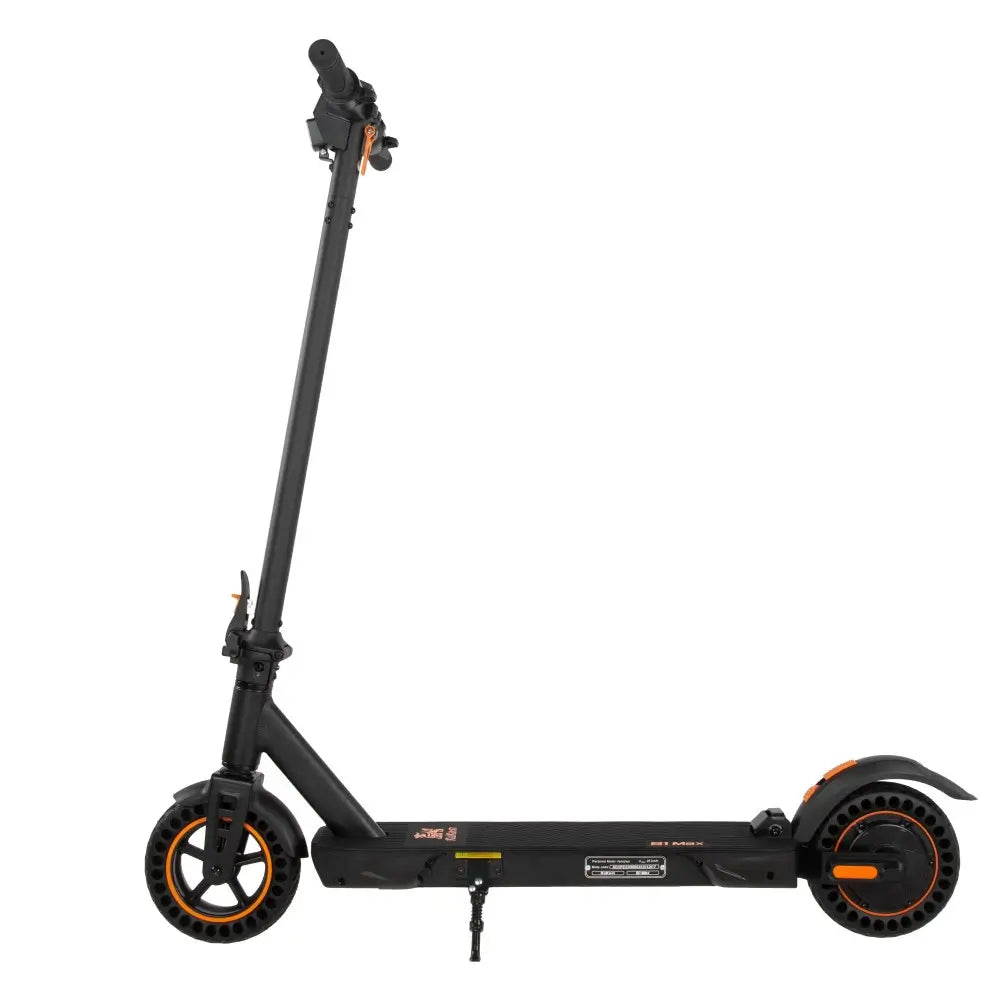
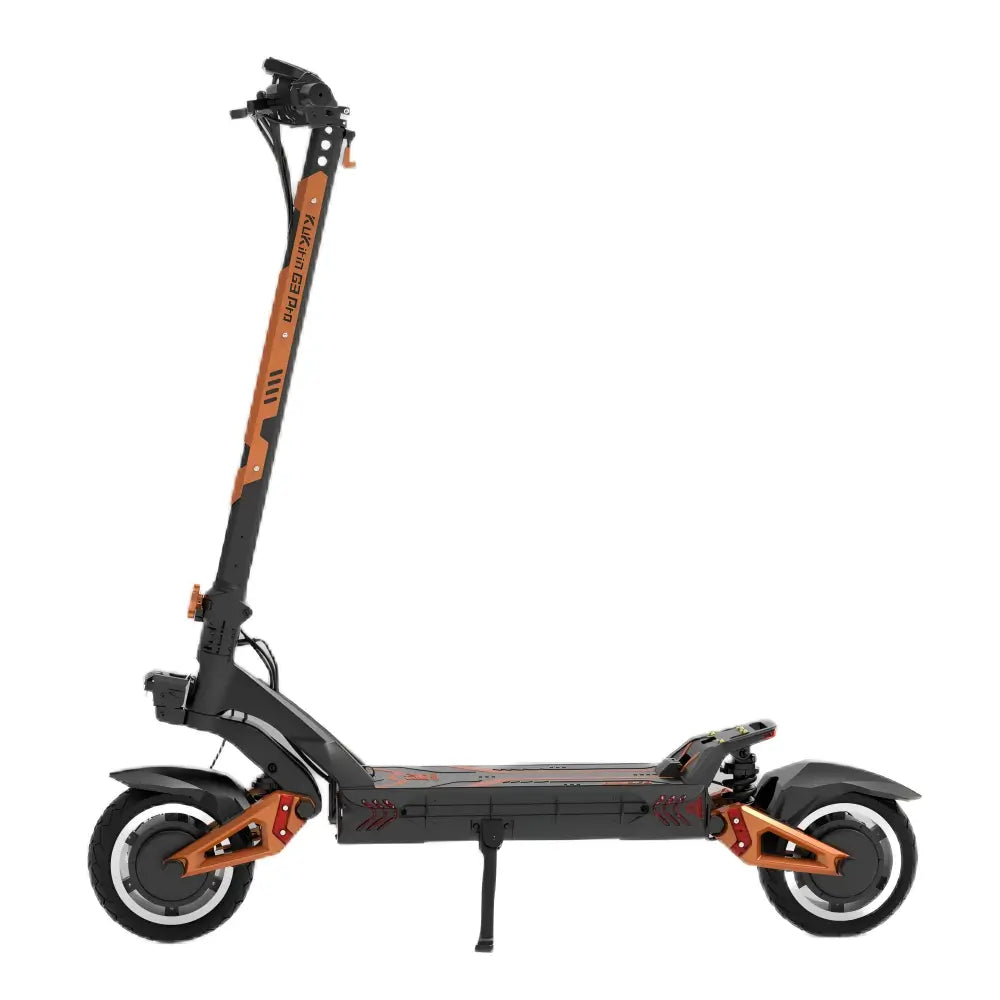
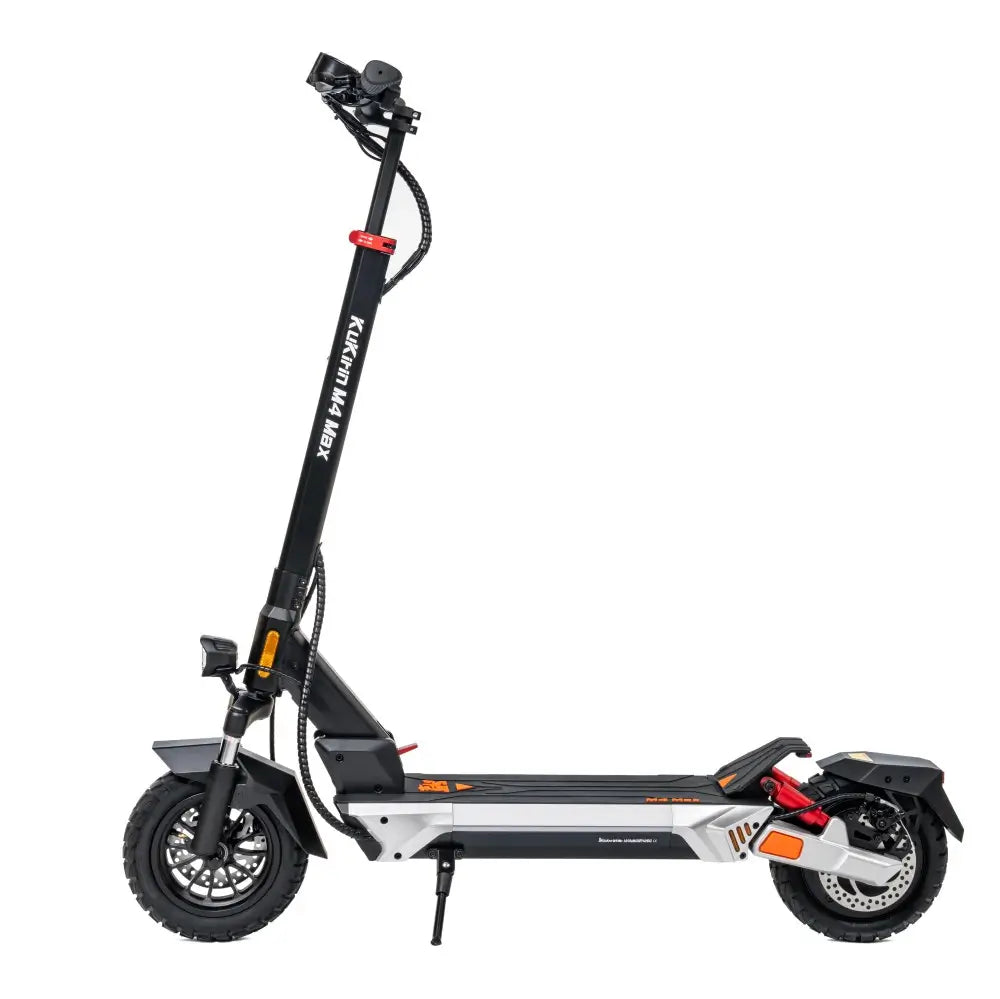
If you're looking at what's currently available from KuKirin UK, you can check the latest KuKirin arrivals before choosing a scooter for your usual riding environment.
Don't Ride Beyond Your Own Comfort Level
There is always going to be someone willing to ride faster.
That doesn't mean you need to.
If you're uncomfortable with a particular speed, surface or traffic situation, slow down.
If you're not confident riding at night, choose a different time.
If you're still learning how the scooter behaves, spend some time somewhere quieter before taking it into heavy traffic.
Confidence comes from familiarity, not from forcing yourself into situations you're not ready for.
A scooter should expand where you can go, not pressure you into taking risks you wouldn't normally take.
The Safest Ride Usually Doesn't Feel Dramatic
Good riding often looks completely unremarkable.
You slow down before the corner.
You leave room beside a parked car.
You notice the vehicle waiting at the intersection.
You stop to check the map.
You choose the slightly longer road because the shorter one feels chaotic.
None of those decisions makes a good story.
That's the point.
The best safety decisions usually happen early enough that nothing exciting needs to happen afterwards.
And that's a much better outcome than having to make a perfect emergency decision at the last possible second.
FAQ
What should I check before riding an electric scooter?
A quick check of the tyres, brakes, handlebar, controls, lights and battery is a sensible starting point. You should also consider whether the planned route and current conditions are suitable for the ride.
Is it safe to ride an electric scooter in the rain?
That depends on the scooter, local conditions and local rules. Wet roads can reduce grip and make surfaces such as painted markings, metal covers and leaves more slippery. Always follow the manufacturer's water-resistance guidance and adjust your riding to the conditions.
What is the biggest safety mistake when riding an electric scooter?
There isn't one single mistake. Many problems come from travelling too quickly for the conditions, failing to anticipate what other road users might do, or leaving too little space to react.
Should I ride slower at night?
Speed should match visibility, road conditions, traffic and your ability to react. If you cannot clearly see hazards ahead or other road users may have difficulty seeing you, reducing speed is a sensible choice.
How do I choose a safer route for an electric scooter?
Look beyond distance. Consider traffic, road surface, visibility, intersections, pedestrian activity and whether the route gives you enough space to react. A slightly longer route can sometimes be a much better ride.
Safety Is Mostly About Giving Yourself Options
There isn't a magic speed that makes every ride safe.
There isn't a checklist that can predict what a driver, pedestrian or cyclist will do next.
What you can control is how much time and space you give yourself.
Slow down before you need to.
Look before you commit to a turn.
Leave room around parked cars and other vehicles.
Stop when you need to check something.
And if a route doesn't feel right, take another one.
If you're ready to explore the current KuKirin range, visit the KuKirin UK official store for the latest products and information.
Ride within your abilities, follow the rules that apply where you ride, and give yourself enough room to deal with the unexpected.
That's usually what good electric scooter safety looks like in the real world.
Leave a comment