












Spring vs. Winter Scooter Performance: What 15°C Does to Your Battery

As the seasons change, many electric scooter riders notice a drop in performance — even before snow or freezing temperatures arrive. But what happens to your scooter at just 15°C (59°F)? You might think it’s still “warm enough,” but lithium-ion batteries are more sensitive than you’d expect.
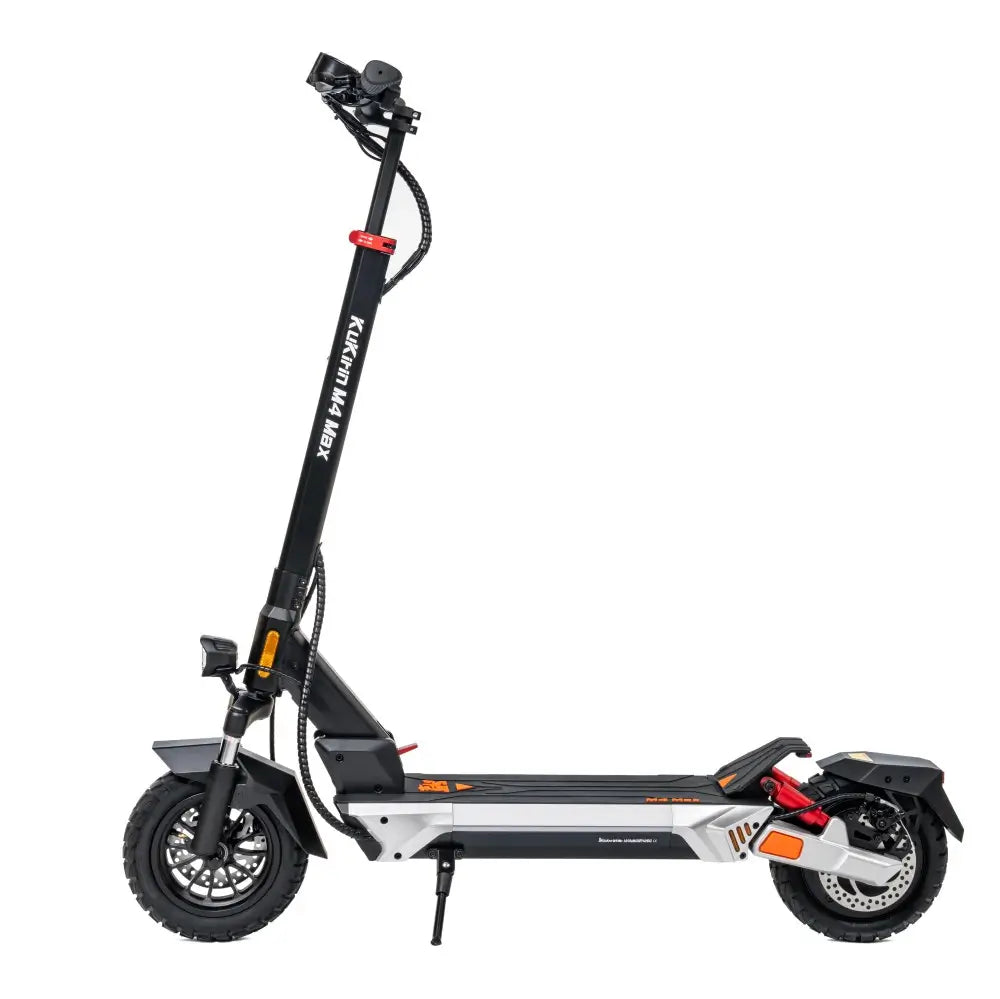
In this post, we’ll break down how cooler spring and winter temperatures affect battery efficiency, range, and speed — using real-world specifications from popular KuKirin models like the G2 Pro, G3, M4 Max, and G4 Max.
Why 15°C Is a Turning Point for Scooter Batteries
Most electric scooters use 18650 or 21700 lithium-ion batteries. These perform best between 20°C and 30°C (68°F–86°F). Once the temperature drops to 15°C or below, internal chemical reactions slow down, leading to:
-
Reduced usable capacity
-
Lower voltage output
-
Longer charging times
-
Shorter overall range
At 0°C, a lithium battery can lose 20–30% of its effective range. Even at 15°C, you may notice a 10–15% drop in real-world mileage.
Real-World Examples from KuKirin Scooters
Let’s look at how specific models are rated under ideal conditions — and what you might actually experience in cooler weather.
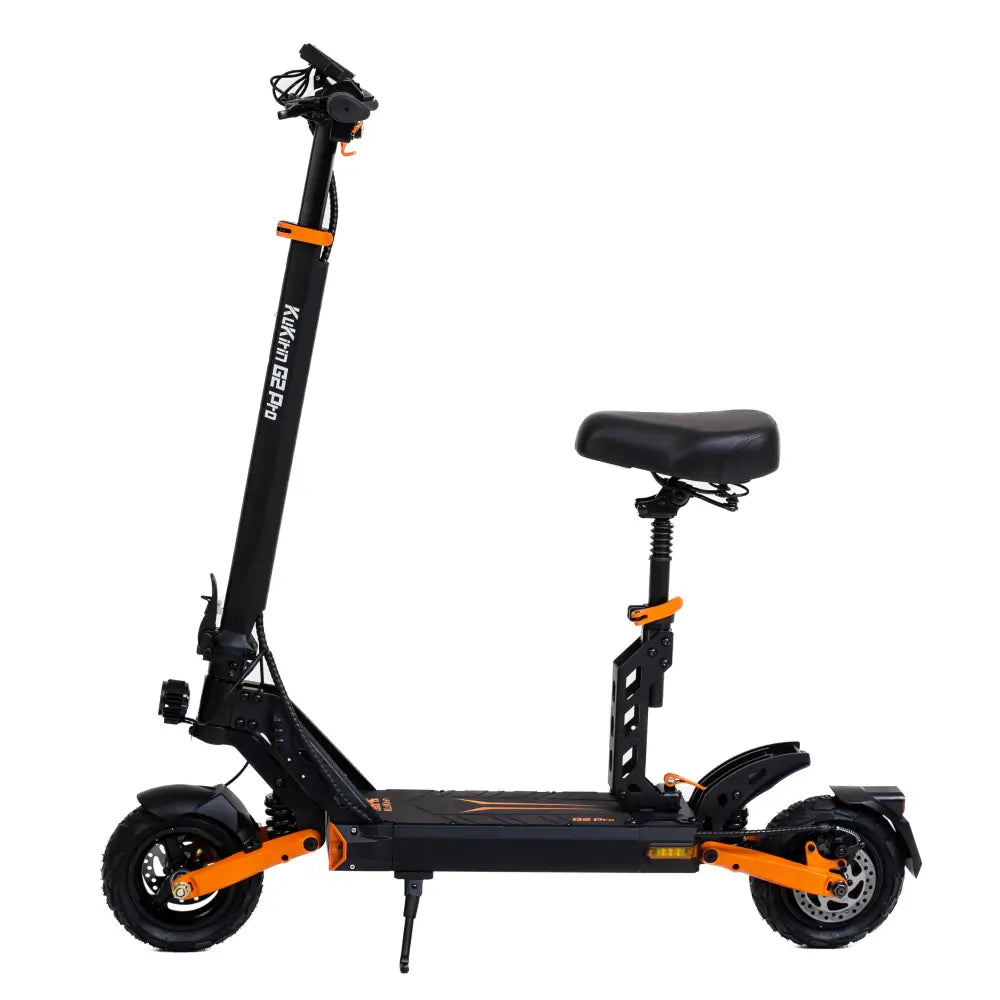
KuKirin G2 Pro (48V / 15.6Ah battery)
-
Rated range (65kg load, middle speed): ≤58 km
-
Estimated range at 15°C: ~49–52 km
-
Loss: ~10–15%
Even though the G2 Pro uses a 600W motor and 48V system, cold weather will reduce the efficiency of its 18650 cells.
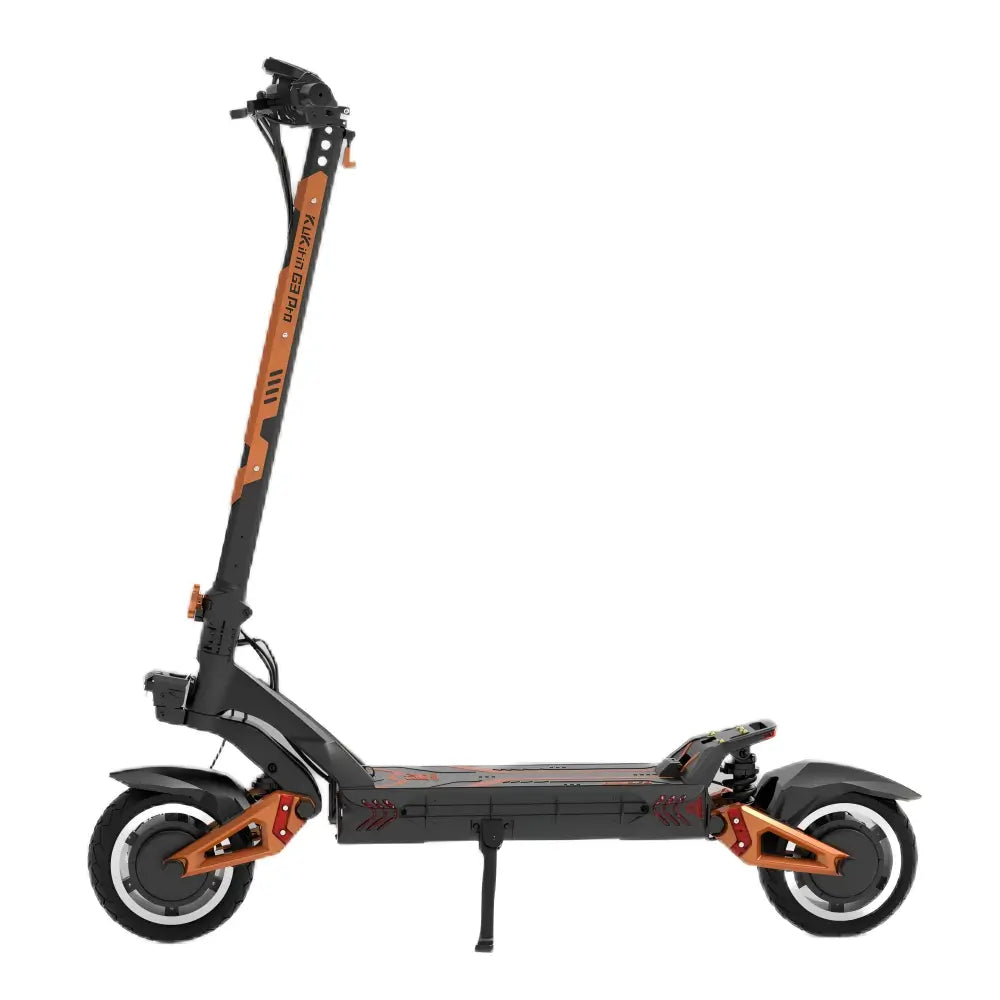
KuKirin G3 (52V / 18Ah battery)
-
Rated range: ≤63 km
-
Estimated range at 15°C: ~54–57 km
The higher voltage (52V) helps maintain performance better than 36V or 48V systems, but cold still impacts total output.
KuKirin G4 Max (60V / 35.2Ah battery)
-
Rated range: ≤95 km
-
Estimated range at 15°C: ~80–85 km
With a larger 21700 battery pack, the G4 Max is less affected by temperature drops — but you’ll still lose some range.
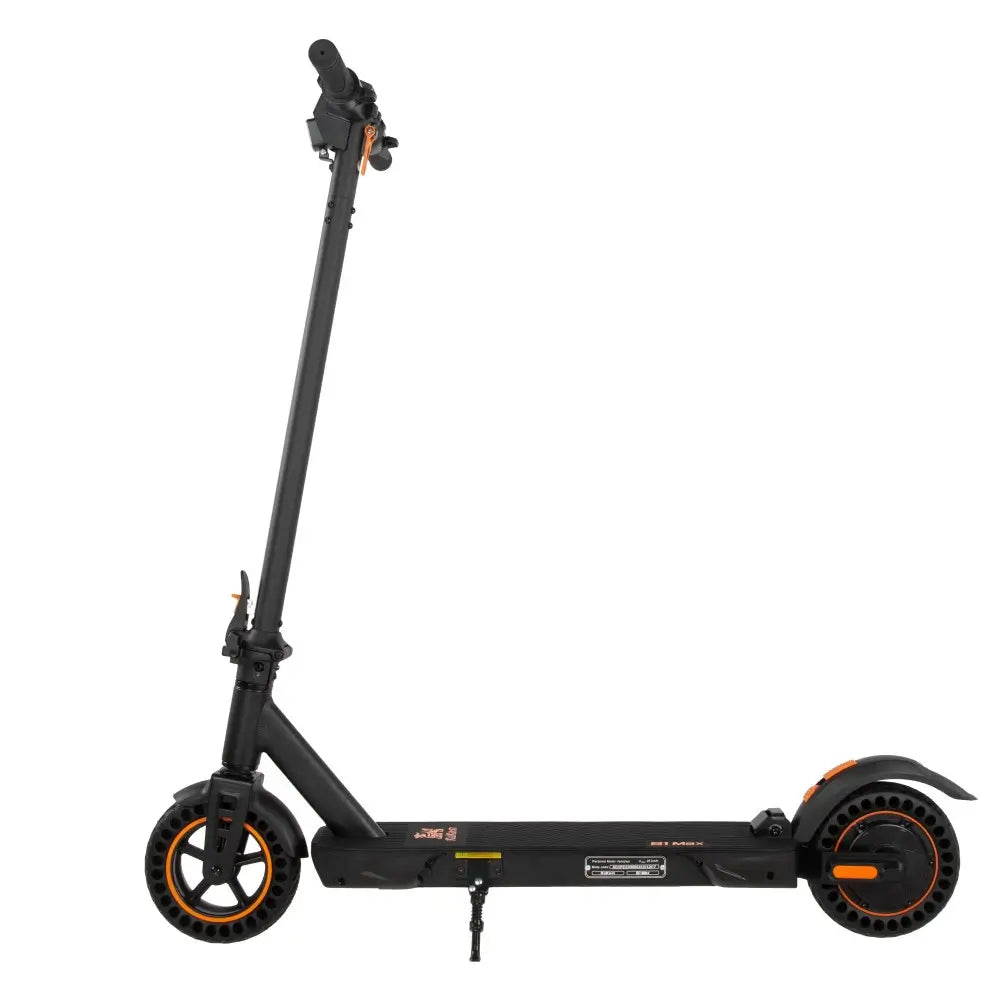
KuKirin S1Max (36V / 10.4Ah battery)
-
Rated range: ≤39 km
-
Estimated range at 15°C: ~33–35 km
Lower voltage systems like 36V are more vulnerable to cold-weather voltage sag.
Speed, Climbing, and Cold Weather
Cold doesn’t just affect range — it also impacts peak power output and climbing ability.
For example:
| Model | Max Speed (warm) | Climbing Ability | Cold-Expected Climb |
|---|---|---|---|
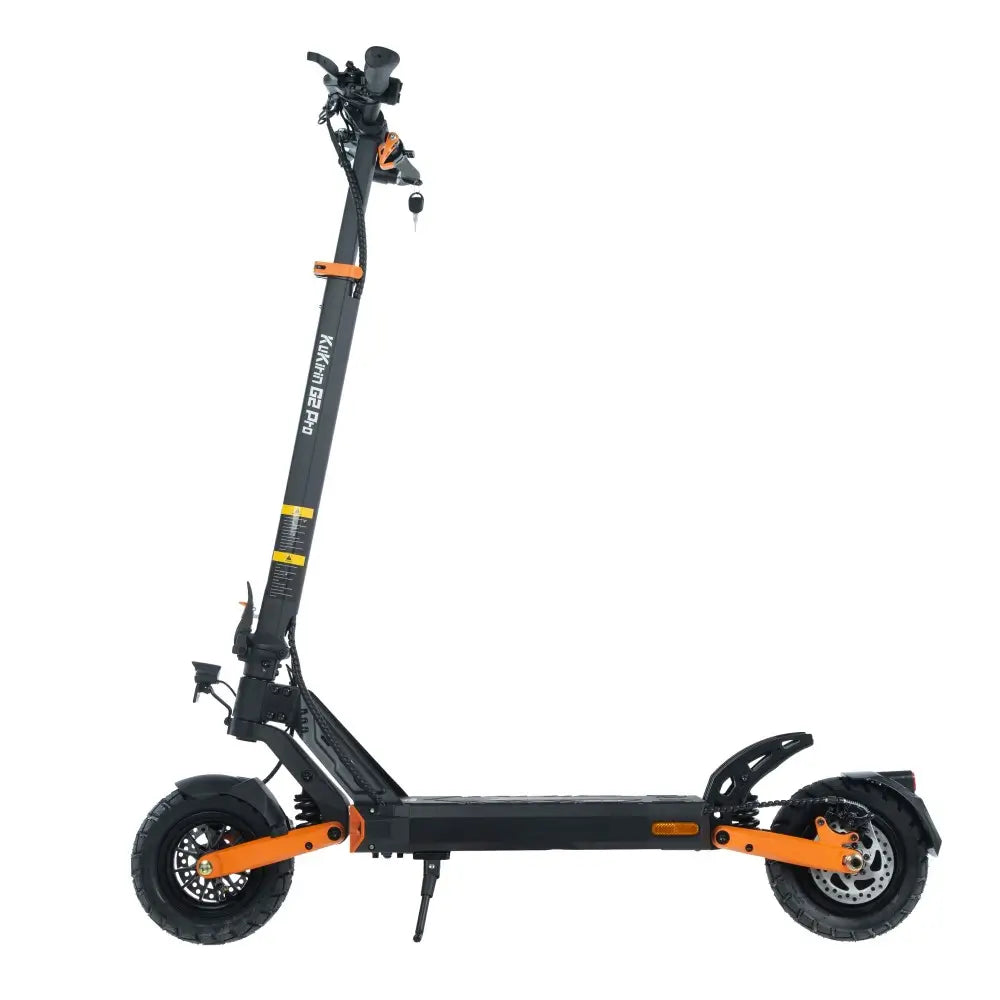
| G2 Pro | 45 km/h | ≤19° | ~15–16° |
| G3 Pro (dual drive) | 65 km/h | ≤35° | ~30–32° |
| G4 | 70 km/h | ≤30° | ~25–27° |
Why? Because the BMS (Battery Management System) may reduce current output when battery cells are cold, limiting torque and acceleration.
What You Can Do to Maintain Performance in Cool Weather
Here are a few practical tips to minimize cold-weather losses:
-
Store your scooter indoors (above 10°C if possible)
-
Charge at room temperature — never charge a cold battery
-
Warm up the battery by riding gently for the first 1–2 minutes
-
Keep tires properly inflated — colder air reduces pressure
-
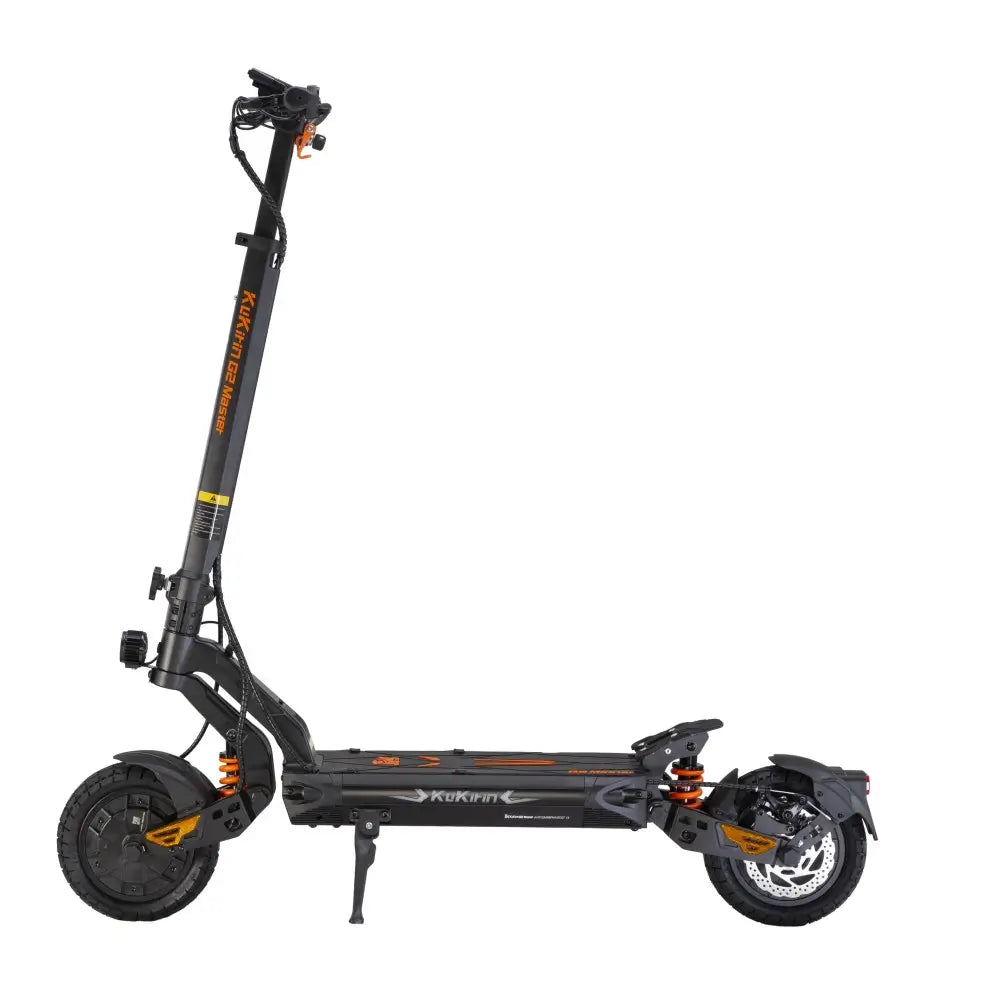
Example: G2 Master recommends 350 kPa (50 psi)
-
-
Use higher voltage systems (52V or 60V) if you ride year-round

Final Thoughts: Don’t Blame the Scooter — Blame the Cold
If you feel like your scooter is slower or weaker in early spring or late autumn, it’s not a defect — it’s science. Even high-performance models like the KuKirin G4 Max or G3 Pro will see a temporary drop in range and power at 15°C or below.
The good news? Once temperatures warm back up to 20–25°C, your battery will recover 100% of its performance.
So ride smart, store your battery properly, and enjoy the seasons — just don’t expect summer range in winter gear.
Have you noticed a drop in your scooter’s range this season? Let us know in the comments which model you ride and what temperatures you’re facing.
Leave a comment