











How to Ride an Electric Scooter Uphill: 8 Tips for Better Climbing Performance


Riding an electric scooter uphill can be one of the most enjoyable parts of your journey—but it also places greater demands on both the rider and the scooter. Steep climbs require more power, better balance, and the right riding technique to maintain control and maximize performance.
Whether you're commuting through hilly streets or exploring countryside roads, learning a few simple techniques can help you climb more efficiently while reducing strain on your scooter.
If you're looking for a scooter designed to handle a variety of riding conditions, you can explore the full KuKirin Electric Scooter Collection to compare different models.
Why Uphill Riding Feels Different
Unlike riding on flat roads, climbing hills requires your scooter to overcome gravity while maintaining momentum. This means the motor works harder, the battery drains faster, and sudden throttle inputs can reduce efficiency.
The steeper the hill, the more important it becomes to ride smoothly and let the scooter deliver power consistently rather than aggressively.
1. Build Momentum Before the Hill
One of the simplest ways to improve climbing performance is to approach the hill with a steady speed instead of accelerating after you've already started climbing.
Maintaining momentum reduces the workload on the motor and helps the scooter climb more smoothly.
2. Shift Your Weight Forward
Your body position has a significant impact on stability.
When climbing, lean slightly forward while keeping both feet firmly planted on the deck. This helps keep the front wheel stable and improves traction without putting unnecessary pressure on the rear wheel.
Avoid leaning too far forward, as maintaining a natural and balanced posture is the safest approach.
3. Apply the Throttle Smoothly
Many riders instinctively squeeze the throttle to its maximum when facing a steep hill. In reality, smooth and consistent throttle control often provides better results.
Gradual acceleration helps the motor deliver power more efficiently and improves overall control, especially on uneven surfaces.
4. Choose the Right Riding Mode
Many performance electric scooters offer multiple riding modes.
For gentle inclines, an everyday riding mode may provide enough assistance while preserving battery life. On steeper climbs, switching to a higher-performance mode can deliver stronger acceleration and better hill-climbing capability when conditions require it.
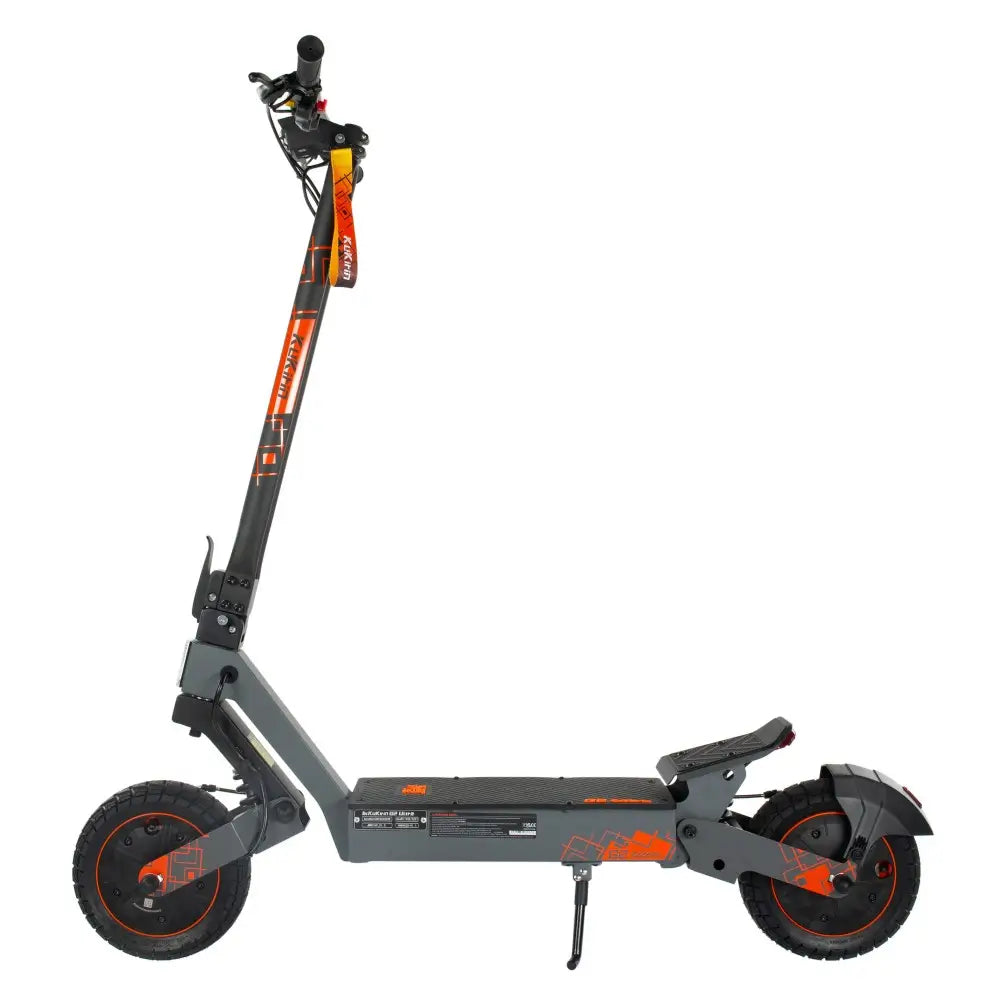
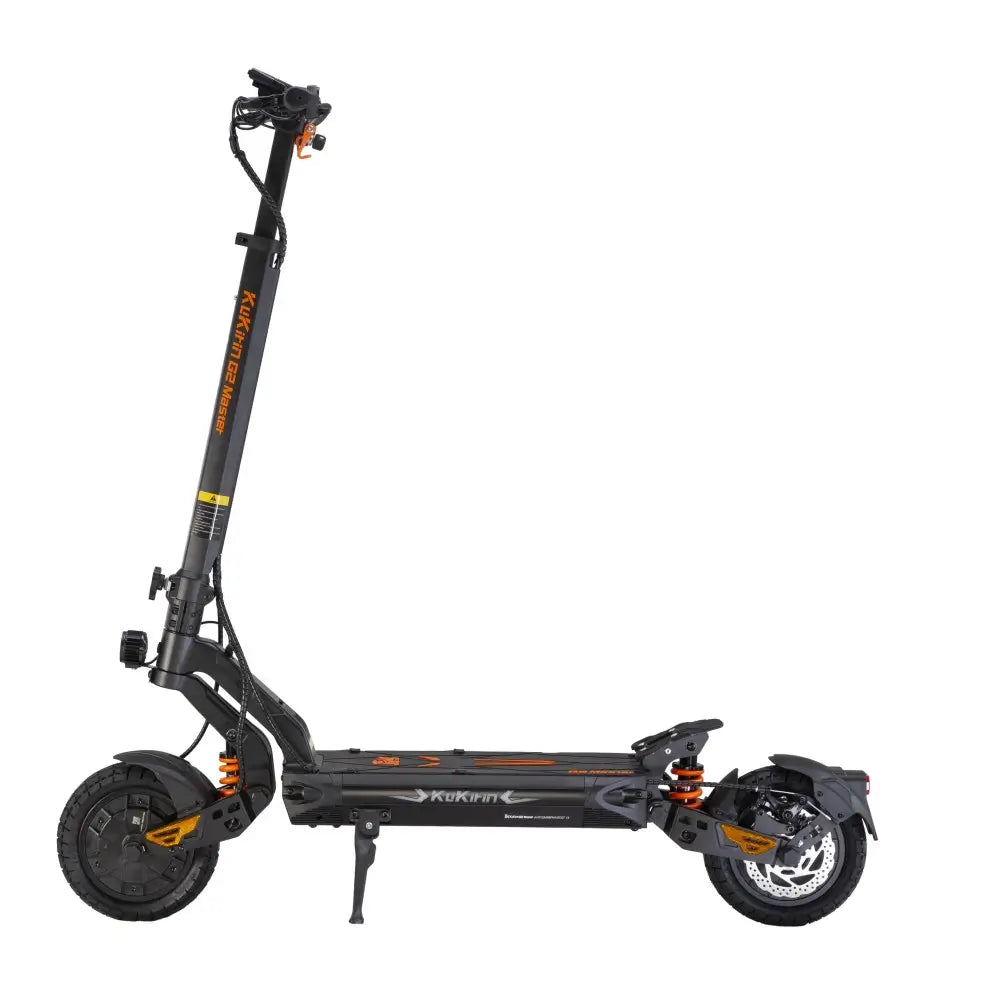
For riders who frequently encounter steep roads, models like the KuKirin G2 Master and KuKirin G2 Ultra offer additional power that makes challenging climbs feel more manageable.
5. Check Tire Pressure Regularly
Tire pressure affects more than comfort—it also influences traction and rolling resistance.
Properly inflated tires provide better grip and help the scooter maintain efficiency during climbs. Underinflated tires can increase energy consumption and make uphill riding feel noticeably harder.
6. Reduce Extra Weight When Possible
The heavier your scooter and rider, the harder the motor has to work on steep inclines. If you're carrying a heavy backpack or unnecessary gear, consider lightening the load before tackling longer or steeper climbs.
Reducing weight not only improves climbing performance but can also help extend your battery range.
7. Plan Your Battery Usage
Hill climbing consumes more power than riding on flat roads, so it's important to keep an eye on your battery level before setting off.
If your route includes multiple hills, consider using a lower riding mode on flat sections to conserve energy. This leaves more battery capacity available when you need extra power for climbing.
Starting a long uphill ride with a nearly depleted battery may also reduce the scooter's available performance.
8. Know When to Walk
Even the most powerful electric scooters have their limits. Extremely steep hills, loose gravel, muddy paths, or slippery surfaces can reduce traction and make riding unsafe.
If conditions don't feel stable, it's always better to dismount and walk the scooter for a short distance. Prioritising safety will always be the smartest choice.
Common Mistakes When Riding Uphill
Even experienced riders can develop habits that make climbing more difficult. Avoid these common mistakes:
- Accelerating too aggressively at the bottom of the hill.
- Leaning too far backwards during the climb.
- Riding with underinflated tires.
- Attempting steep climbs with a low battery.
- Ignoring road conditions such as wet leaves, loose gravel, or uneven surfaces.
Small adjustments to your riding technique can make a noticeable difference in both performance and safety.
Which KuKirin Scooter Is Best for Hills?
Different riders have different needs, and choosing the right scooter depends on where you ride most often.
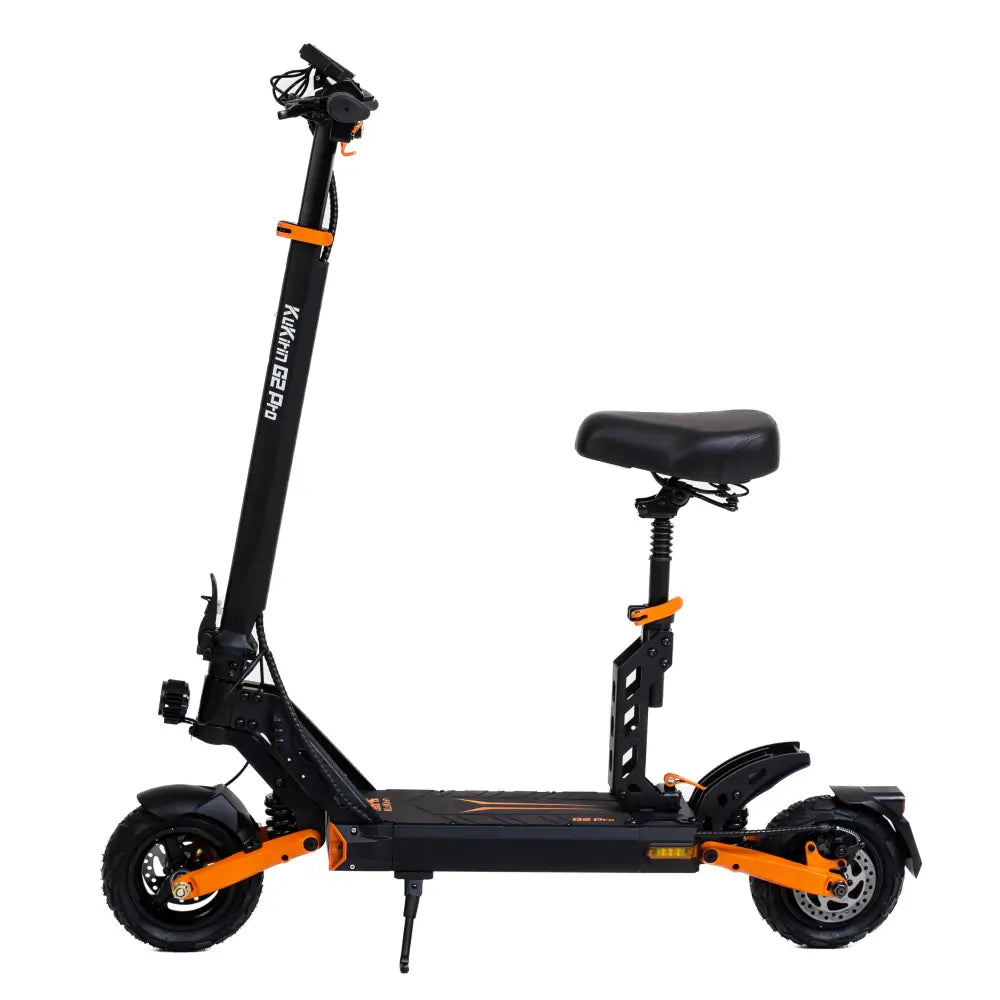
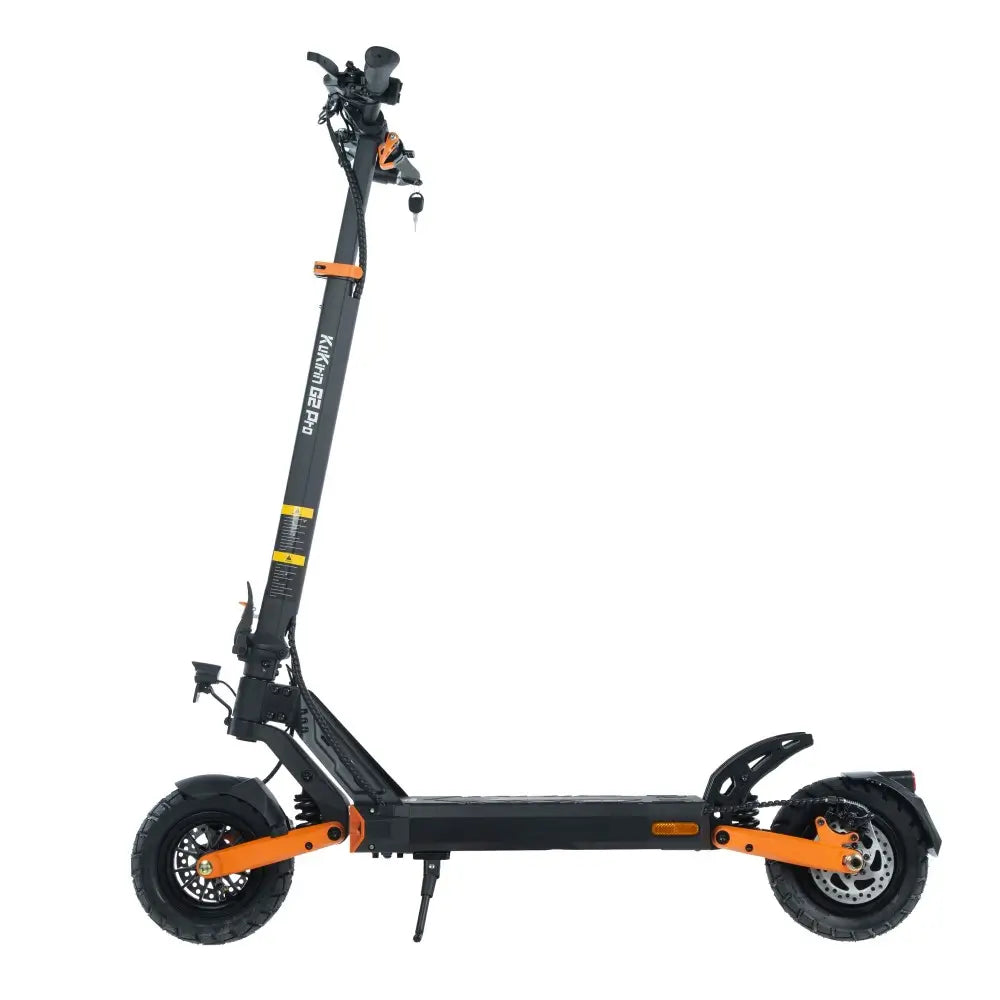
The KuKirin G2 is a great choice for daily commuting and moderate urban hills. It offers a comfortable balance between portability and everyday performance.
If your commute includes steeper roads, the KuKirin G2 Master provides additional power and improved climbing capability, making it ideal for riders who regularly face challenging inclines.
For demanding off-road routes and rugged terrain, the KuKirin G2 Ultra is built to deliver outstanding performance with extra confidence on difficult climbs.
If you frequently cover longer distances while still wanting excellent hill-climbing ability, the KuKirin G4 combines strong performance with impressive range, making it an excellent option for longer adventures.
You can compare all available models in our KuKirin Electric Scooter Collection to find the one that best suits your riding style.
Frequently Asked Questions
Can electric scooters climb steep hills?
Yes. Most electric scooters can handle moderate hills, while higher-performance models are better suited for steeper gradients. Factors such as motor output, rider weight, battery level, and road conditions all influence climbing performance.
Does riding uphill drain the battery faster?
Yes. Climbing requires more energy from the motor, so battery consumption is generally higher on hilly routes than on flat roads.
Is it safe to ride uphill in wet conditions?
It can be, but riders should reduce speed, accelerate smoothly, and avoid sudden braking. Extra caution is recommended on wet roads, especially on steep inclines.
Which KuKirin scooter is best for climbing hills?
For everyday hills, the KuKirin G2 Master is an excellent all-round choice. Riders who regularly tackle steep off-road terrain may prefer the KuKirin G2 Ultra, while the KuKirin G4 is ideal for combining strong climbing performance with longer-distance riding.
Final Thoughts

Climbing hills doesn't have to be difficult when you combine the right riding technique with the right electric scooter. By maintaining momentum, controlling the throttle smoothly, keeping your tires properly inflated, and managing battery usage wisely, you can enjoy safer and more efficient uphill rides.
Whether you're commuting through hilly streets or exploring countryside trails, choosing a scooter that matches your riding needs will make every journey more enjoyable.
Ready to upgrade your ride? Explore the full KuKirin Electric Scooter Collection to compare the KuKirin G2, KuKirin G2 Master, KuKirin G2 Ultra, and KuKirin G4 and find the perfect scooter for your next climb.
Leave a comment