










Hill Climbing Challenge: Which KuKirin Conquers Summer Mountain Roads?

Summer weekends in the UK are made for adventure. The sun is shining, the countryside is calling, and those beautiful rolling hills — from the Peak District to the Scottish Highlands — are waiting to be explored. But for electric scooter riders, hills present a unique challenge.
Not all scooters are created equal when the road tilts upward. Some will breeze up steep slopes. Others will struggle, overheat, or leave you pushing.
This guide ranks every major KuKirin model by climbing ability, explains what makes a scooter hill-worthy, and helps you choose the perfect ride for your summer mountain adventures.
Why Climbing Ability Matters in Summer
Summer heat adds an extra layer of challenge to hill climbing. When temperatures rise above 25°C:
| Factor | Effect on Climbing |
|---|---|
| Motor heat | Increased risk of thermal throttling (E9 error) |
| Battery voltage | Slight drop in available power |
| Controller temperature | May reduce output to protect components |
The good news: KuKirin's dual-motor models handle heat better by sharing the load between front and rear motors.

KuKirin Hill Climbing Rankings: Full List
| Rank | Model | Climbing Ability | Drive Type | Torque | Best For |
|---|---|---|---|---|---|
| 1 | G4 Max (discontinued) | ≤38° | Dual 1600W | 41 N·m | Extreme hills (limited stock) |
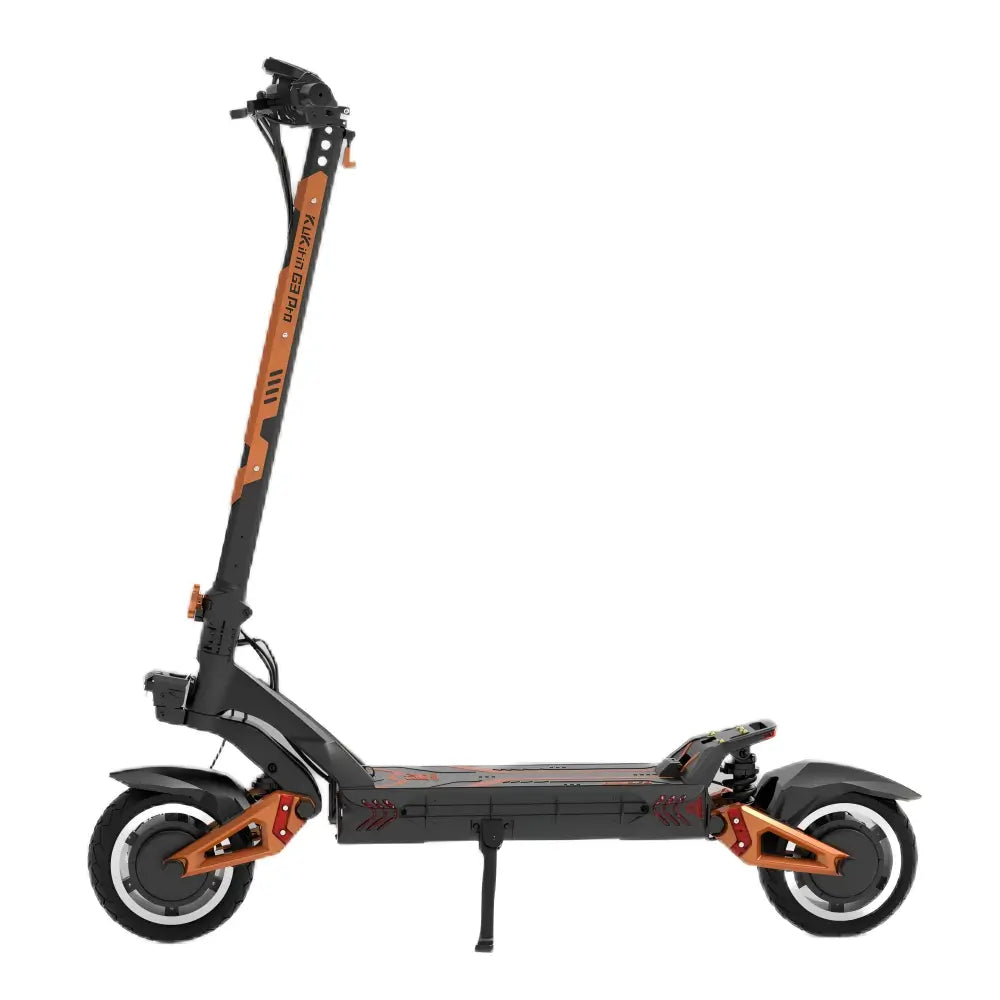
| 2 | G3 Pro | ≤35° | Dual 1200W | 33.26 N·m | Steep mountain roads |
| 3 | G4 | ≤30° | Single 2000W | 46.19 N·m | Steep hills, solo rider |
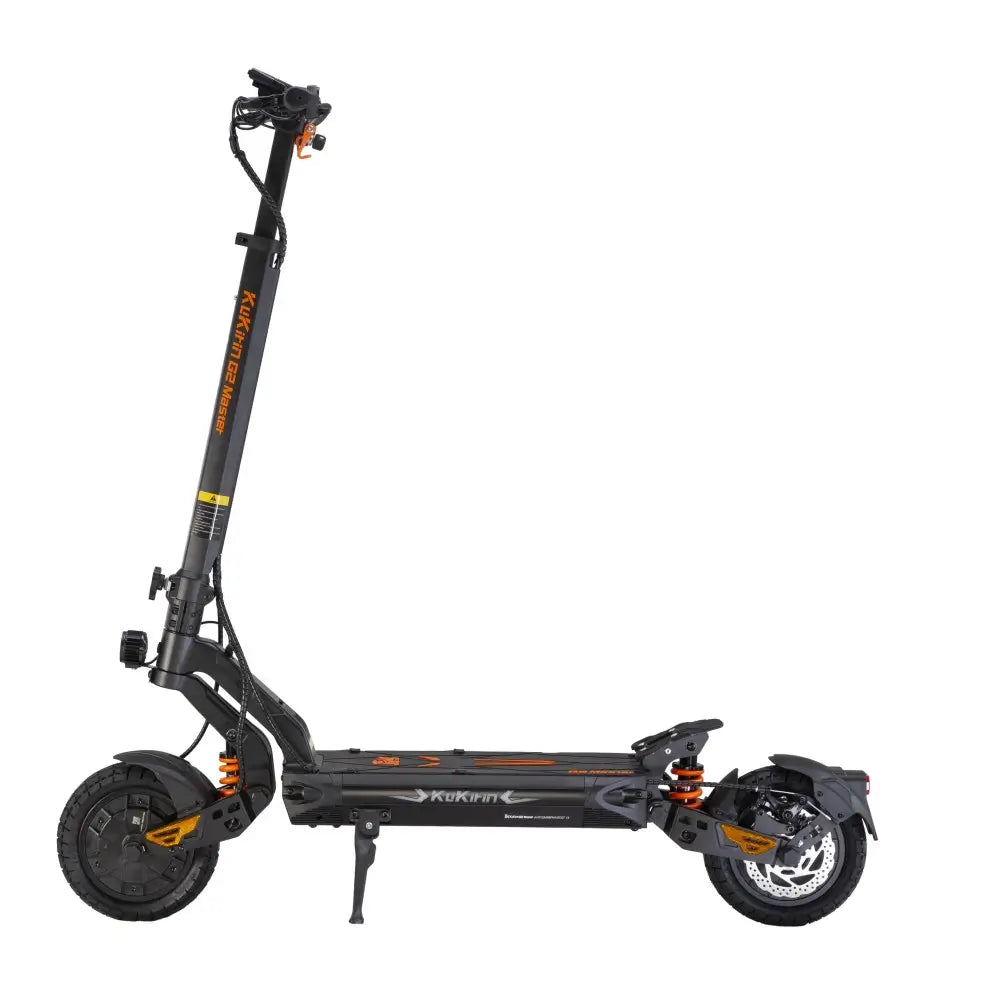
| 4 | G2 Master | ≤28° | Dual 1000W | 26 N·m | Everyday hills, value dual-drive |
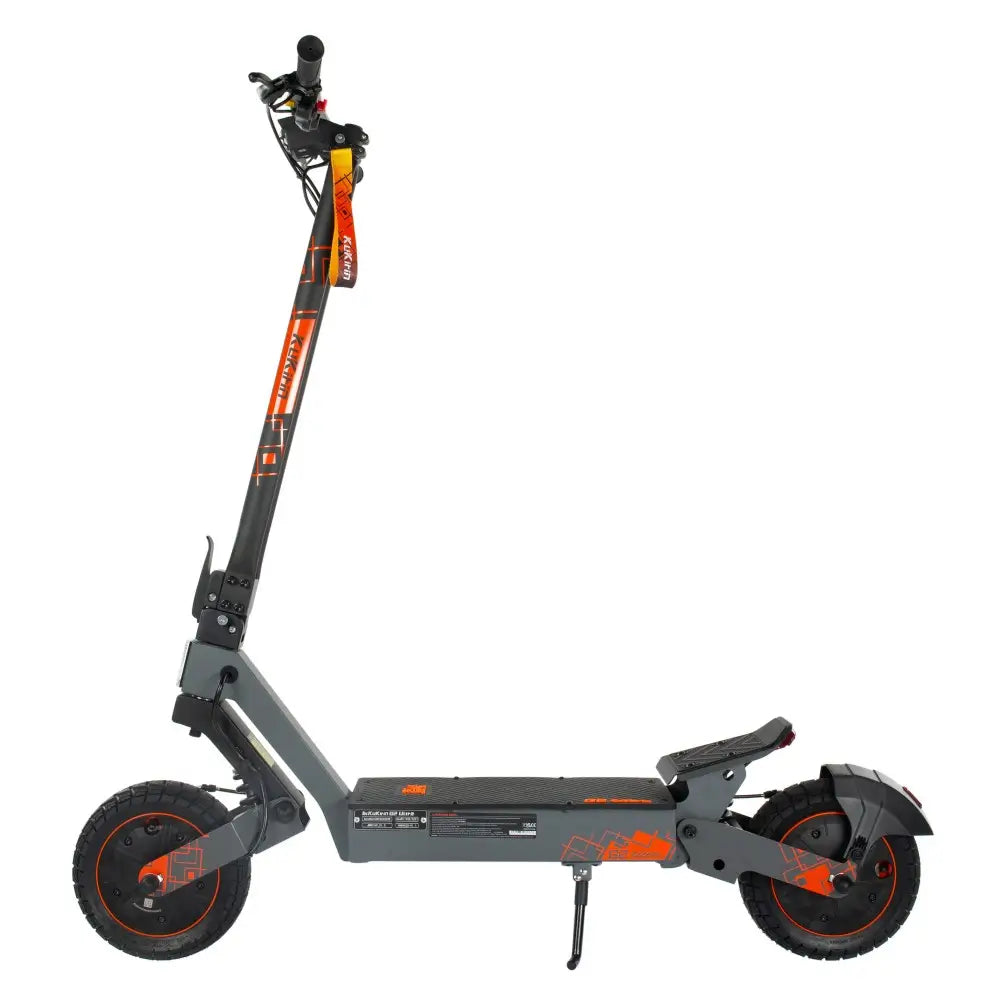
| 5 | G2 Ultra | ≤26° | Dual 800W | ≥29 N·m | Moderate hills |
| 6 | G3 | ≤23° | Single 1200W | 38 N·m | Mixed terrain |
| 7 | G2 Max | ≤22° | Single 1000W | 25.04 N·m | Gentle hills |
| 8 | A1 | ≤20° | Single 800W | 25 N·m | City hills |
| 8 | G2 | ≤20° | Single 800W | 29 N·m | City hills |
| 8 | T3 | ≤20° | Single 800W | 26 N·m | City hills |
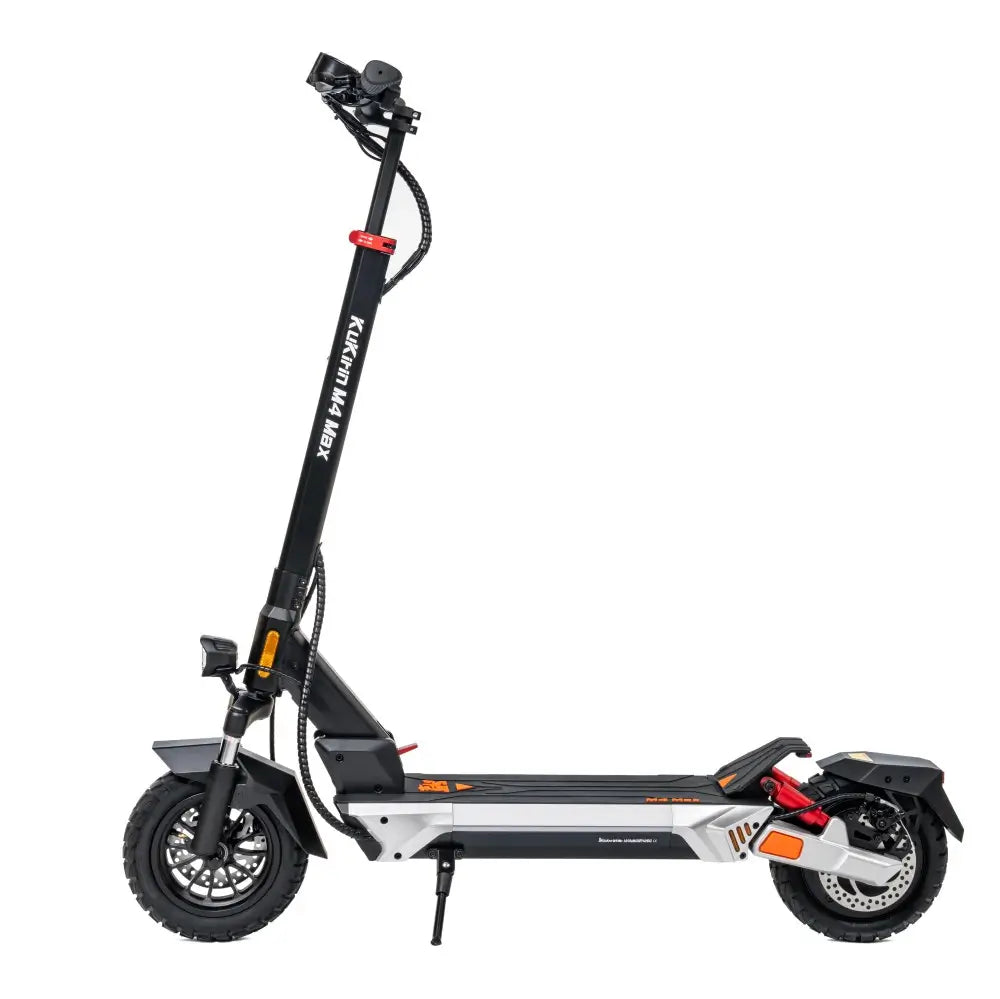
| 8 | M4 Max | 20° | Single 800W | 27.1 N·m | City hills |
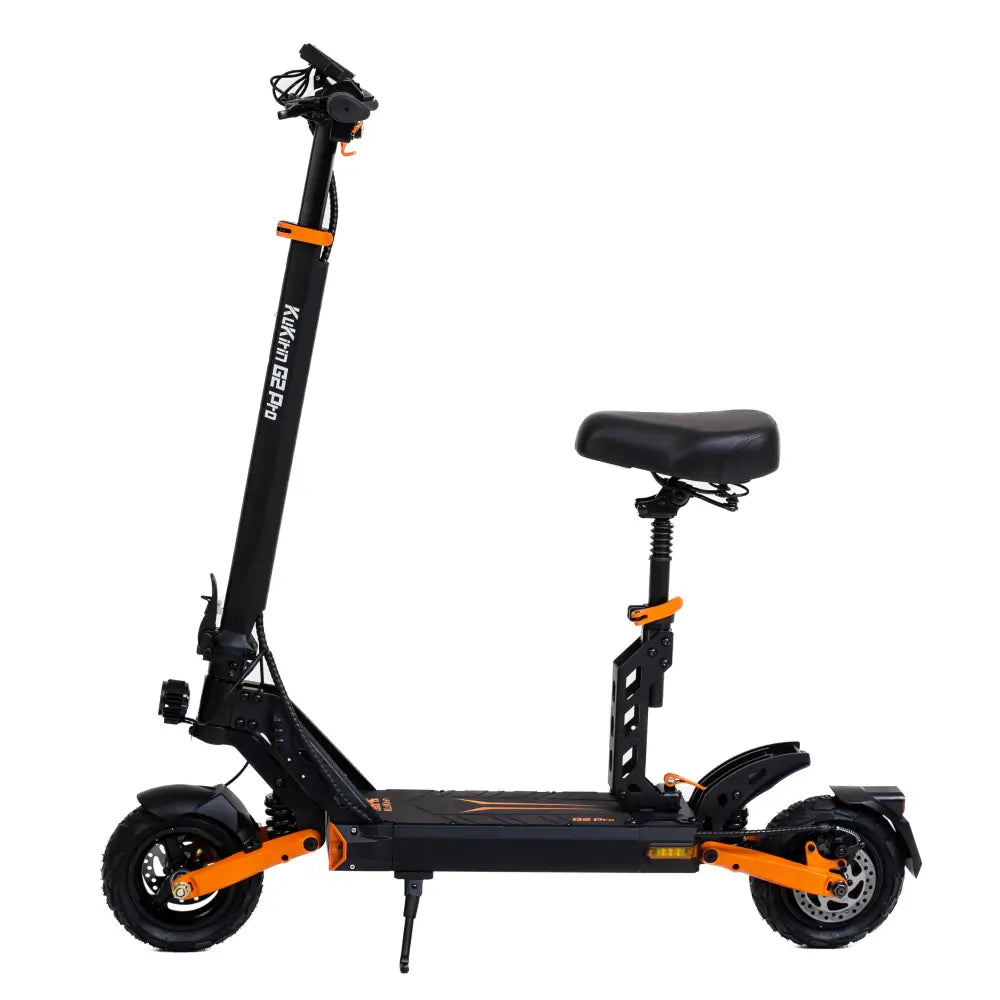
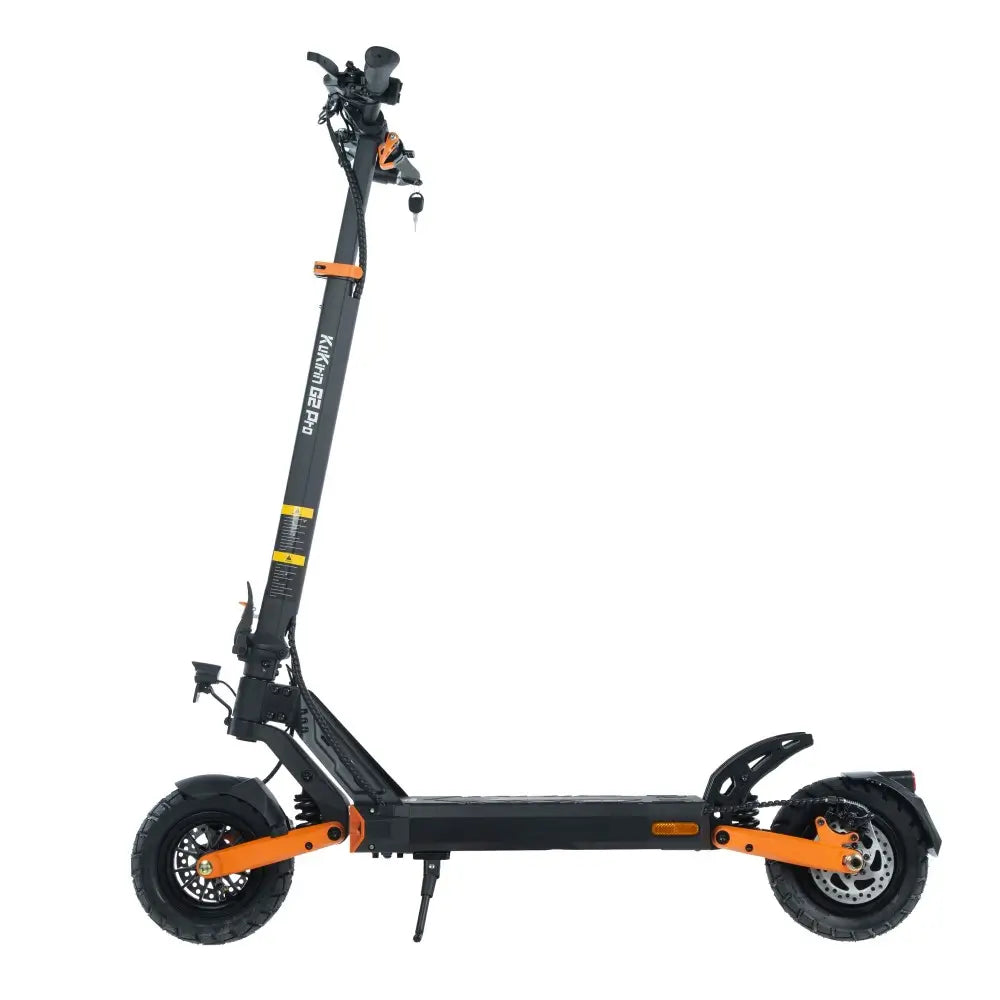
| 9 | G2 Pro | ≤19° | Single 600W | 21.93 N·m | Flat cities, gentle slopes |
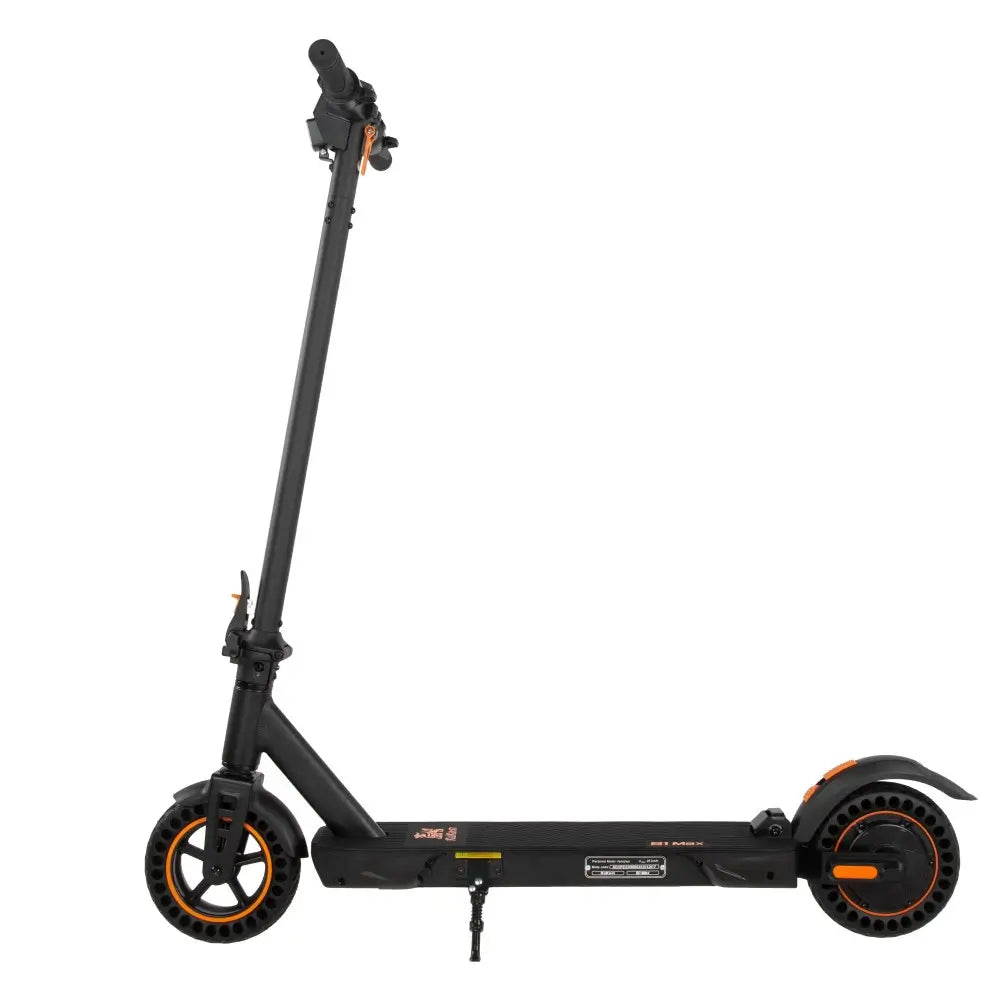
| 10 | S1 Max | ≤15° | Single 350W | 19 N·m | Flat ground only |
| — | X1 (e-moped) | ≤15° | Mid-drive 1000W | 24 N·m | Different vehicle class |
Note: The G4 Max has been discontinued. For current models, the G3 Pro is the top hill climber.
The Science of Climbing: What Makes a Scooter Hill-Worthy?
1. Motor Power (Watts)
Higher wattage generally means more climbing ability — but it's not the only factor.
| Power Level | Models | Climbing Capability |
|---|---|---|
| 3000W+ | G4 Max (3200W) | Extreme (38°) |
| 2000-2500W | G3 Pro (2400W), G4 (2000W) | Very steep (30-35°) |
| 1500-2000W | G2 Master (2000W), G2 Ultra (1600W) | Steep (25-28°) |
| 1000-1500W | G3 (1200W), G2 Max (1000W) | Moderate (22-23°) |
| Under 1000W | G2, G2 Pro, A1, T3, M4 Max (600-800W) | Gentle (15-20°) |
2. Torque (N·m)
Torque is the rotational force that gets you moving — especially important from a standstill on a hill.
| Model | Torque | Climbing Feel |
|---|---|---|
| G4 | 46.19 N·m | Powerful, effortless |
| G3 | 38 N·m | Strong, confident |
| G3 Pro | 33.26 N·m | Very strong |
| M4 Max | 27.1 N·m | Good |
| G2 Ultra | ≥29 N·m | Good |
| G2 | 29 N·m | Good |
| T3 | 26 N·m | Adequate |
| G2 Master | 26 N·m | Adequate |
| A1 | 25 N·m | Adequate |
| G2 Max | 25.04 N·m | Adequate |
| G2 Pro | 21.93 N·m | Moderate |
| S1 Max | 19 N·m | Limited |
Higher torque = better acceleration from stops and stronger hill climbing.
3. Dual Drive vs Single Drive
| Drive Type | How It Works | Climbing Advantage |
|---|---|---|
| Dual drive | Both front and rear motors power the wheels | 2x traction, shared heat, better stability |
| Single drive | Only rear motor powers the wheel | Lighter, more efficient on flats, but less climbing power |
All dual-drive KuKirin models: G4 Max, G3 Pro, G2 Master, G2 Ultra
4. Rider Weight
Climbing ability ratings are based on a 65 kg rider. For heavier riders:
| Rider Weight | Effective Climbing Reduction |
|---|---|
| 75 kg | -1 to 2° |
| 85 kg | -2 to 3° |
| 100 kg | -3 to 5° |
| 120 kg (max load) | -5 to 7° |

Dual Drive vs Single Drive: Summer Hill Climbing
Dual Drive Models (G3 Pro, G2 Master, G2 Ultra)
| Advantage | Why It Helps on Hills |
|---|---|
| Load sharing | Two motors = less heat per motor |
| Traction | Front wheel pulls while rear pushes |
| Stability | Better grip on loose surfaces |
| E9 error resistance | Less likely to overheat on long climbs |
Single Drive Models (G4, G3, G2 Max, G2, G2 Pro, A1, T3, M4 Max, S1 Max)
| Advantage | Why It Helps on Hills |
|---|---|
| Lighter weight | Less mass to pull uphill |
| More efficient on flats | Saves battery for climbs |
| Simpler maintenance | One motor, one controller |
The Verdict:
| Terrain | Best Drive Type |
|---|---|
| Steep, sustained climbs (25°+) | Dual drive |
| Mixed terrain with moderate hills (15-25°) | Either — single is fine |
| Flat cities with occasional gentle hills | Single drive |
Model-by-Model Hill Climbing Review
G3 Pro — The Hill Climbing Champion (35°)
| Specification | Detail |
|---|---|
| Motors | Dual 1200W (2400W total) |
| Torque | 33.26 N·m |
| Climbing | ≤35° |
| Best for | Steep mountain roads, long climbs, heavy riders |
The G3 Pro is the current king of KuKirin hill climbers (with the G4 Max discontinued). Its dual 1200W motors and hydraulic brakes make it ideal for serious mountain routes. The 35° climbing ability means it can tackle virtually any paved hill in the UK.
Summer tip: Use single-drive mode on the approach to save battery, then switch to dual-drive for the climb itself.
G4 — The Powerful Single-Motor Climber (30°)
| Specification | Detail |
|---|---|
| Motor | 2000W single |
| Torque | 46.19 N·m (highest in lineup!) |
| Climbing | ≤30° |
| Best for | Steep hills without the weight of dual motors |
The G4 has the highest torque of any KuKirin model — 46.19 N·m. This single-motor powerhouse climbs with authority. At 41.5 kg, it's heavy, but that torque makes up for it.
Summer tip: The high torque means less strain on the motor, so less heat generation on long climbs.
G2 Master — The Value Dual-Drive Climber (28°)
| Specification | Detail |
|---|---|
| Motors | Dual 1000W (2000W total) |
| Torque | 26 N·m |
| Climbing | ≤28° |
| Best for | Everyday hills, riders who want dual-drive on a budget |
The G2 Master offers excellent value for hill climbers. Its 28° ability handles most UK hills comfortably, and the hydraulic suspension makes rough climbs more comfortable.
Summer tip: Use single-drive mode on flats and gentle hills to keep the battery fresh for steep sections.
G2 Ultra — The Capable Mid-Range Climber (26°)
| Specification | Detail |
|---|---|
| Motors | Dual 800W (1600W total) |
| Torque | ≥29 N·m |
| Climbing | ≤26° |
| Best for | Moderate hills, riders who want dual-drive at a lower price |
The G2 Ultra shares the load between two 800W motors. The 160mm disc brakes provide confident stopping on descents.
A1, G2, T3, M4 Max — The City Climbers (20°)
| Model | Climbing | Best For |
|---|---|---|
| A1 | 20° | Stylish city commutes with gentle hills |
| G2 | 20° | Budget-friendly city riding |
| T3 | 20° | Versatile commuting |
| M4 Max | 20° | Comfortable cruising with seat |
These models handle 20° slopes — typical of city hills like London's Highgate Hill or Edinburgh's Mound. They're not designed for mountain passes, but for urban environments, they're more than capable.
G2 Pro — The Flat-City Specialist (19°)
| Specification | Detail |
|---|---|
| Motor | 600W single |
| Climbing | ≤19° |
| Best for | Flat cities (Cambridge, York, Norwich) |
The G2 Pro is happiest on flat terrain. It can handle gentle slopes, but for regular hill climbing, consider one of the dual-drive models.
S1 Max — Flat Ground Only (15°)
| Specification | Detail |
|---|---|
| Motor | 350W single |
| Climbing | ≤15° |
| Best for | Purely flat commutes |
The S1 Max is designed for flat city streets. At 15°, it can manage very gentle slopes but will struggle on anything steeper. Its solid tyres and lightweight build make it perfect for flat urban environments.

Summer Hill Climbing Tips
1. Start Your Climb with a Cool Scooter
If you've been riding on flats before hitting a hill, your components are already warm. Take a 5-minute break in the shade before starting a long climb.
2. Use the Right Drive Mode (Dual-Motor Models)
| Slope | Recommended Mode |
|---|---|
| Under 15° | Single-drive (save battery) |
| 15-25° | Single-drive if short, dual-drive if long |
| Over 25° | Dual-drive |
3. Reduce Speed on Steep Sections
Climbing at 35 km/h generates significantly more heat than climbing at 15-20 km/h. Slow down — your motor has more torque at lower speeds anyway.
4. Take Breaks on Long Climbs
| Climb Length | Recommended Breaks |
|---|---|
| 1-2 km | None (if moderate slope) |
| 2-4 km | One 5-minute break halfway |
| 4 km+ | Break every 2 km |
During breaks, turn off the scooter and park in shade.
5. Watch for the E9 Error Code
If you see E9 on your display (controller over-temperature):
-
Stop climbing immediately
-
Move to shade
-
Turn off the scooter
-
Wait 30 minutes minimum
-
Do not continue until fully cooled
6. Check Tyre Pressure Before Mountain Rides
Under-inflated tyres increase rolling resistance significantly:
| Model | Recommended Pressure |
|---|---|
| G3 Pro, G2 Master, G4, G3 | 350 kPa (50 psi) |
| G2 Ultra, G2 | 220-230 kPa (32-33 psi) |
| A1 | 330-360 kPa (48-53 psi) |
| G2 Pro | 340 kPa (50 psi) |
Which KuKirin Should You Choose for Your Terrain?
| Your Terrain | Recommended Model | Why |
|---|---|---|
| Steep mountain roads (25-35°) | G3 Pro | Dual 1200W, 35° climbing, hydraulic brakes |
| Steep city hills (20-25°) | G4 or G2 Master | G4: 30°, high torque; G2 Master: 28°, dual-drive value |
| Moderate hills (15-20°) | G2 Ultra or G3 | Dual 800W or single 1200W |
| Gentle slopes (10-15°) | G2, A1, T3, M4 Max | 800W single motor, affordable |
| Flat cities only | G2 Pro or S1 Max | 600W/350W, light weight, efficient |
Frequently Asked Questions (FAQ)
Q1: Which KuKirin scooter climbs hills best?
A: The G3 Pro (35° climbing) is the best currently available model. The G4 Max (38°) was better but has been discontinued. For extreme hills, look for remaining G4 Max stock or choose the G3 Pro.
Q2: Can the G2 Master handle steep hills?
A: Yes. The G2 Master climbs up to 28° slopes, which covers most paved hills in the UK. For very steep roads (30°+), the G3 Pro is a better choice.
Q3: Will climbing hills in summer overheat my scooter?
A: It can, especially on long, steep climbs in 30°C+ weather. Use single-drive mode on approaches, take breaks every 2 km, and watch for the E9 error code. If you see E9, stop and cool for 30 minutes.
Q4: How does rider weight affect climbing ability?
A: Significantly. The rated climbing angles (e.g., 35° for G3 Pro) are based on a 65 kg rider. At 100 kg, effective climbing ability drops by 3-5°. Heavier riders should choose dual-drive models (G3 Pro, G2 Master, G2 Ultra).
Q5: Is the G4 good for hills even though it's single motor?
A: Yes. The G4 has 46.19 N·m of torque — the highest of any KuKirin model. Its 30° climbing ability is excellent for a single-motor scooter. It's a great choice if you want hill-climbing power without the complexity of dual motors.
Summary: Choose Your Hill Climber
| Model | Climbing | Price | Best For |
|---|---|---|---|
| G3 Pro | 35° | Premium | Extreme hills, mountain roads |
| G4 | 30° | Mid-High | Steep hills, high torque |
| G2 Master | 28° | Mid | Value dual-drive, everyday hills |
| G2 Ultra | 26° | Mid | Moderate hills, dual-drive on budget |
| G2, A1, T3, M4 Max | 20° | Budget | City hills, gentle slopes |
| G2 Pro | 19° | Budget | Flat cities |
| S1 Max | 15° | Entry | Flat ground only |
The bottom line: For serious summer mountain adventures, the G3 Pro is your best bet. For everyday hills and great value, the G2 Master hits the sweet spot. And for flat cities, the G2 Pro or S1 Max will serve you well.
Ready to conquer those summer hills? Explore the [KuKirin G3 Pro] , [KuKirin G4] , and [KuKirin G2 Master]product pages.
Leave a comment