










Electric Scooter Range Anxiety Is Real — But Usually Unnecessary


One of the first questions people ask before buying an electric scooter is surprisingly simple:
"What if I run out of battery?"
It's a reasonable concern.
Nobody wants to be stuck pushing a heavy scooter home because the battery died halfway through a ride.
This feeling even has a name:
Range Anxiety.
Originally associated with electric cars, range anxiety has become common among first-time electric scooter buyers as well.
The funny thing is that most riders discover the same thing after a few weeks:
They were worrying far more than necessary.
What Exactly Is Range Anxiety?
Range anxiety is the fear that your vehicle won't have enough battery to complete your journey.
For new scooter riders, it often sounds like:
- "What if I get stranded?"
- "What if the battery drops faster than expected?"
- "Do I need the biggest battery available?"
- "Should I buy the model with the longest range just in case?"
Before owning a scooter, these concerns feel important.
After owning one, most riders realize their daily riding habits are much more predictable than they expected.
Most Riders Travel Less Than They Think
When people imagine using an electric scooter, they often picture long journeys across town.
In reality, daily trips are usually much shorter.
Typical scooter usage includes:
- Commuting to work or school
- Visiting friends
- Running errands
- Riding to the train station
- Short recreational rides
For many riders, a single day's travel rarely exceeds 10–20 km.
That means even a scooter with a moderate range can comfortably cover several days of normal use before needing a recharge.
Why Advertised Range and Real-World Range Are Different
One reason range anxiety exists is because riders see a number on a product page and assume they'll always achieve it.
Unfortunately, range isn't quite that simple.
Manufacturer range tests are usually conducted under ideal conditions:
- Flat roads
- Moderate speed
- Fully charged battery
- Average rider weight
- Mild weather
- Minimal stops
Real-world riding conditions are rarely perfect.
Factors that can reduce range include:
Rider Weight
Heavier riders require more energy to move.
Hills
Climbing steep inclines consumes significantly more power than riding on flat ground.
Riding Speed
Higher speeds increase energy consumption.
Wind Resistance
Strong headwinds can noticeably impact battery efficiency.
Temperature
Cold weather can temporarily reduce battery performance.
This doesn't mean your scooter is underperforming.
It simply means real-world riding is different from laboratory testing.

Bigger Batteries Aren't Always Better
Many buyers assume the longest-range scooter is automatically the best choice.
Not necessarily.
A larger battery usually means:
- More weight
- Higher cost
- Longer charging times
If your typical journey is only a few miles each day, paying significantly more for extra range you rarely use may not provide much benefit.
The smarter question is:
How far do you actually ride?
Not how far you might ride once every few months.
The Reality After a Few Weeks of Ownership
Most scooter owners go through a similar process.
Week 1
You check the battery constantly.
Week 2
You start learning how much range your routes require.
Week 3
You realize you still have plenty of battery left after most rides.
Month 1
You stop thinking about it altogether.
Once riders become familiar with their scooter, range anxiety usually disappears.
The battery becomes just another routine part of ownership, like charging a phone overnight.
Charging Is Easier Than Many People Expect
Unlike petrol vehicles, electric scooters don't require special trips to refuel.
Most riders simply:
- Charge overnight
- Charge while working
- Plug in after longer weekend rides
Because charging happens at home, battery management quickly becomes part of a normal routine.
Many owners discover they rarely allow the battery to get critically low in the first place.
When Should Range Actually Matter?
Range is important if you regularly:
- Commute long distances
- Take weekend adventure rides
- Ride in hilly areas
- Need multiple trips throughout the day
- Have limited charging opportunities
In those situations, investing in a larger battery can make sense.
For everyone else, choosing a scooter solely based on maximum range may not be the most practical approach.
Choosing the Right Range for Your Needs
Instead of asking:
"What's the longest-range scooter available?"
Ask:
"What's the longest distance I realistically travel in a day?"
The answer is often much smaller than expected.
Once you know your actual riding habits, choosing the right scooter becomes far easier.
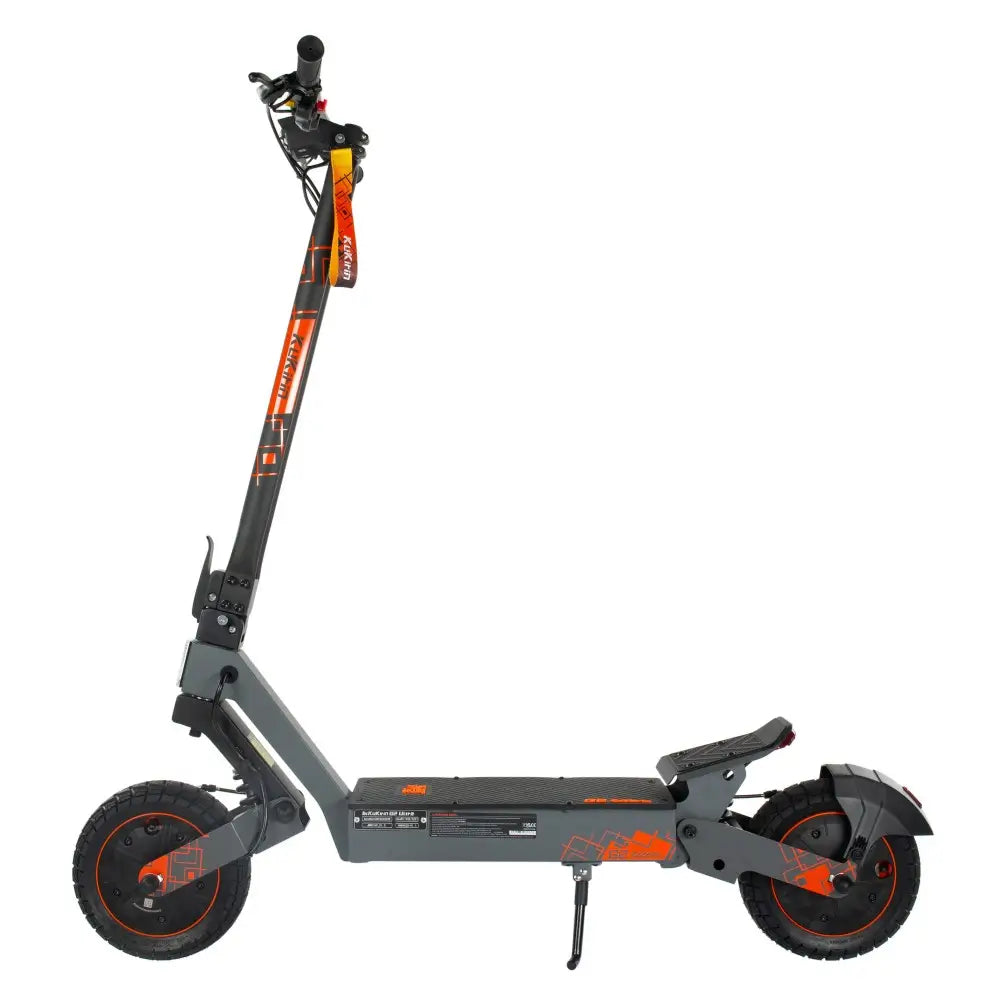
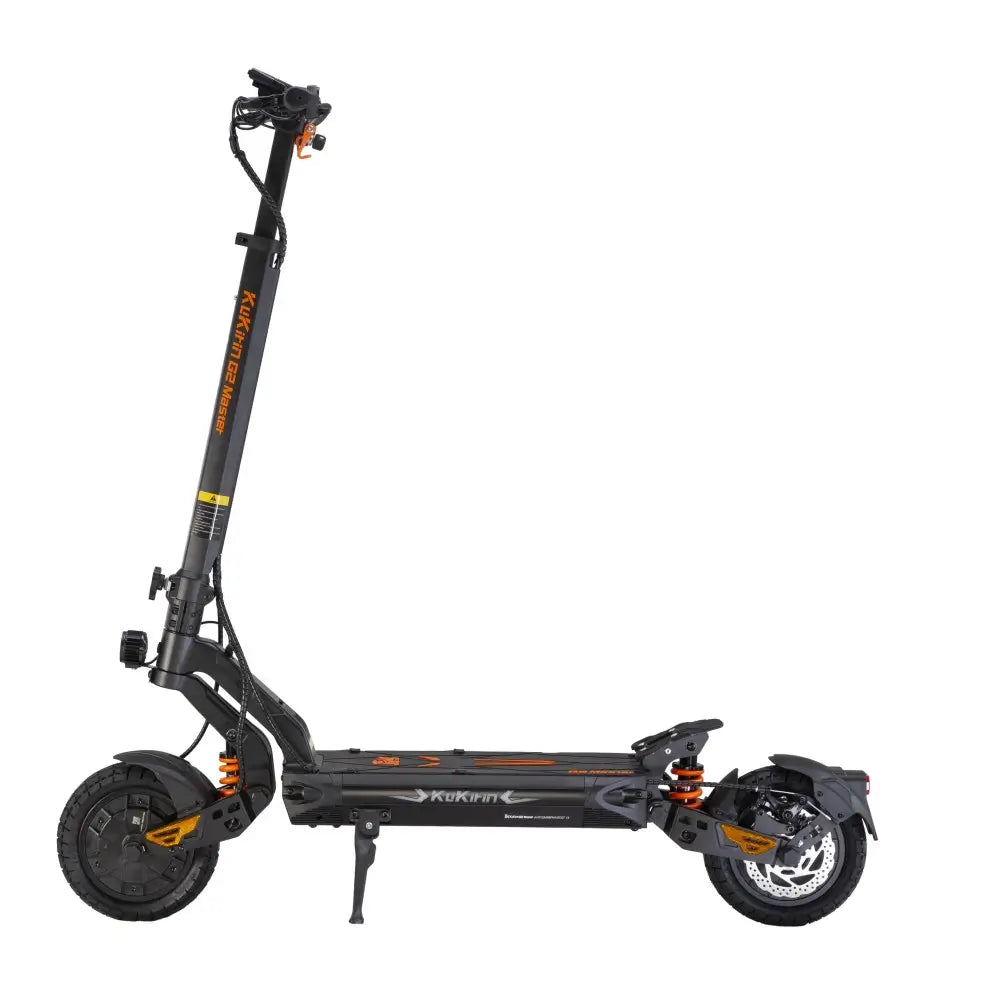
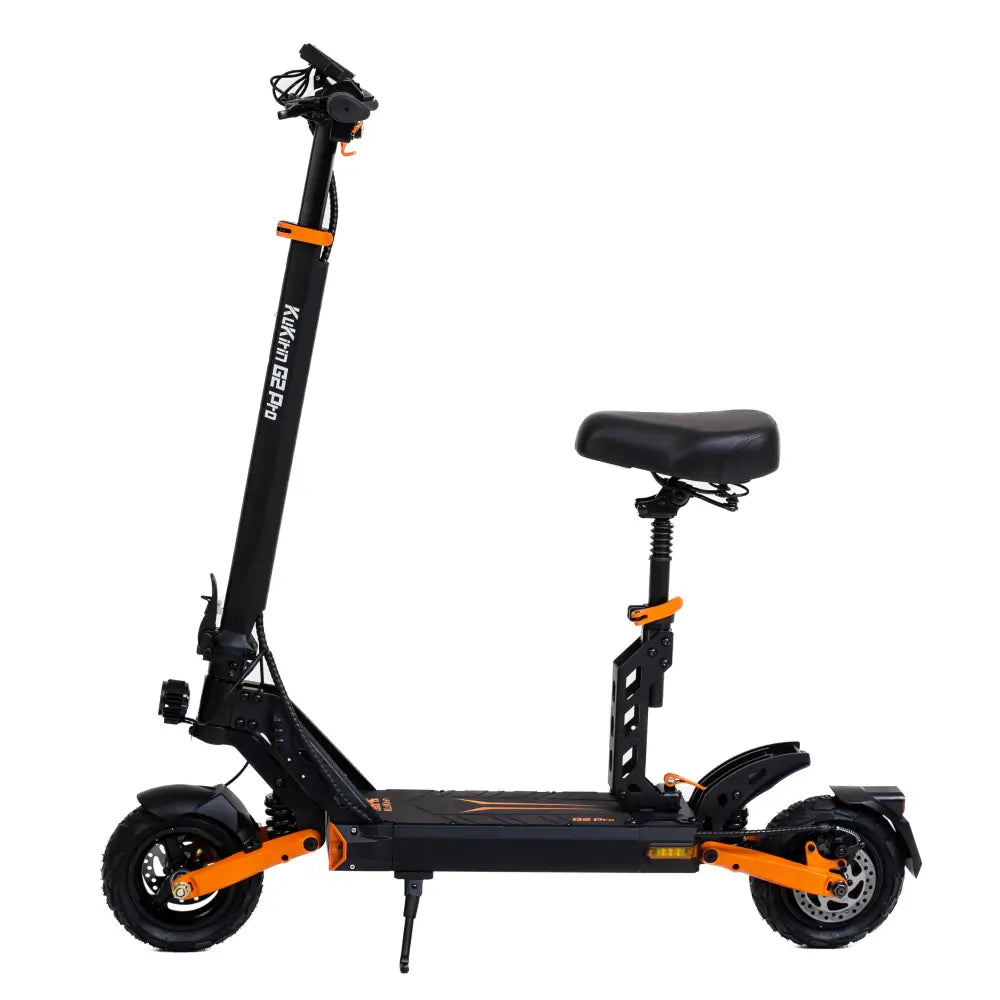
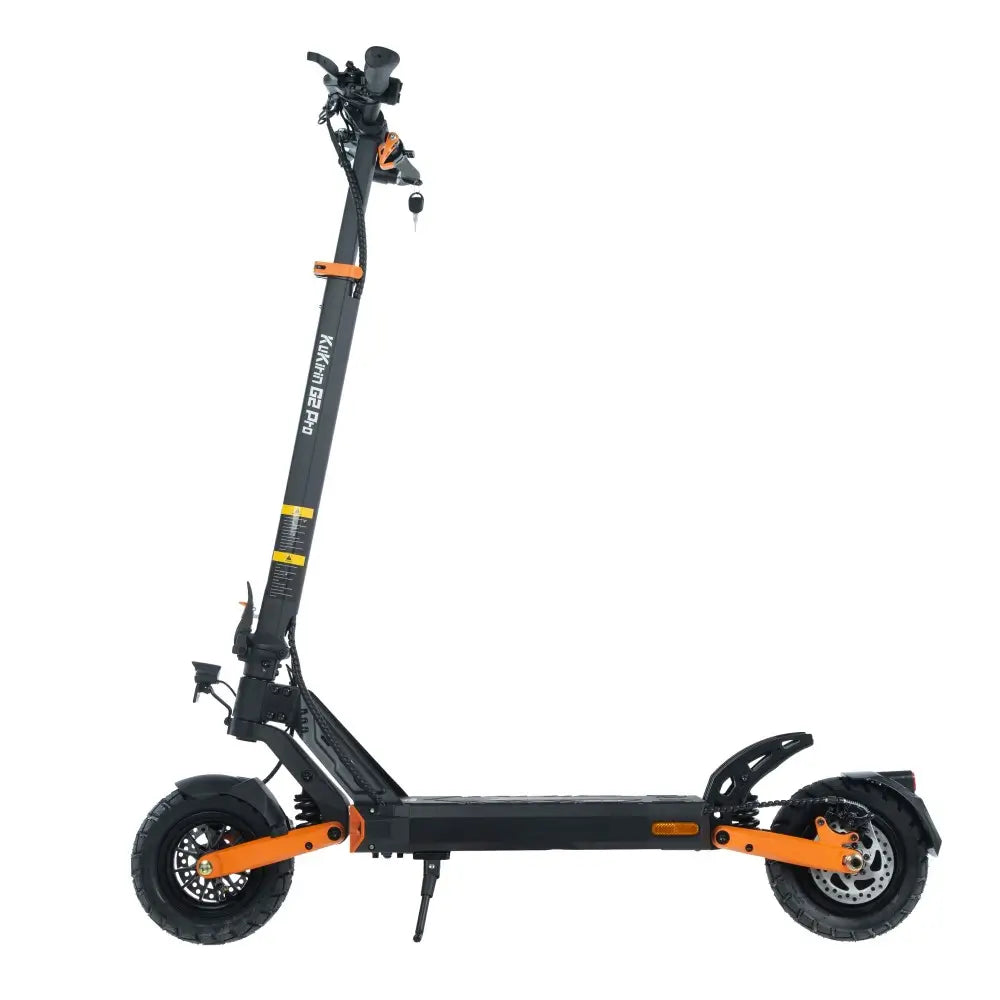
Popular KuKirin Models for Different Riders
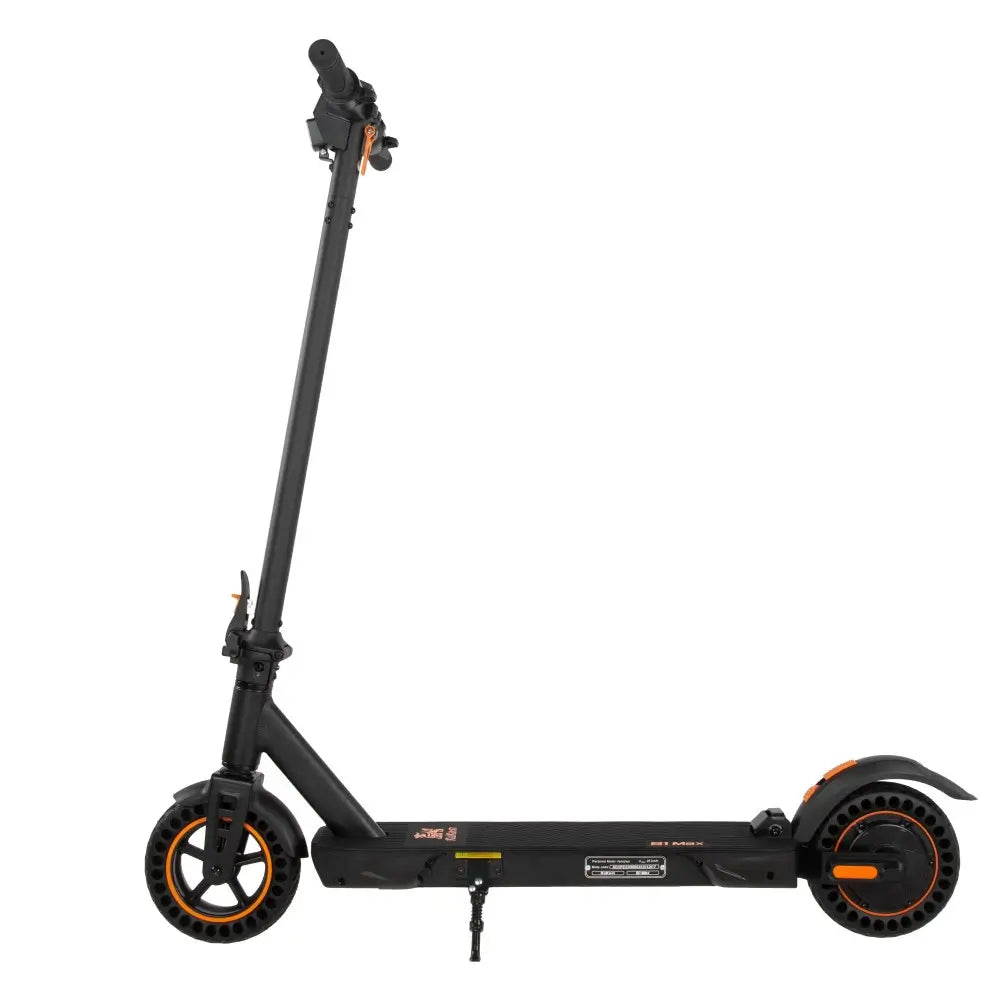
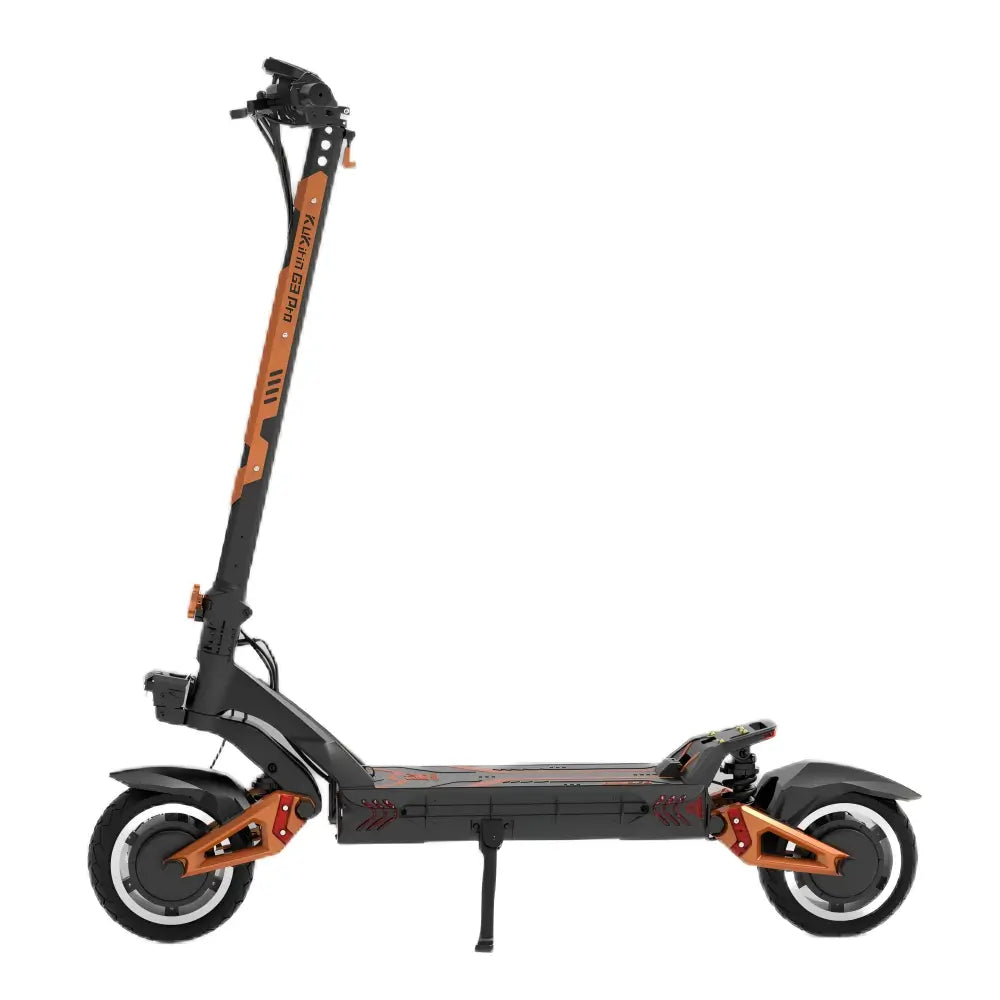
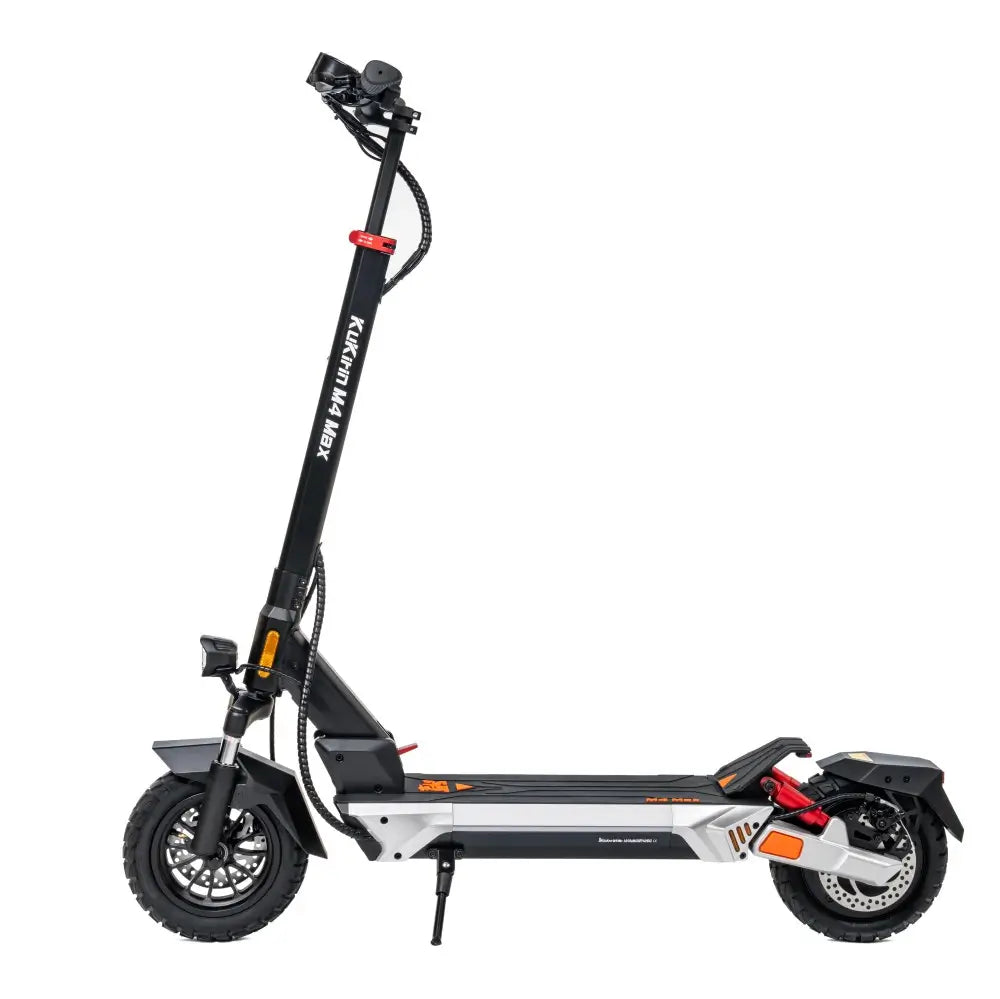
Whether you're looking for an everyday commuter or a higher-performance scooter, KuKirin offers options for different riding styles:
Everyday Riding
- KuKirin G2
Longer Daily Commutes
- KuKirin G2 Max
Performance and Power
- KuKirin G2 Master
- KuKirin G2 Ultra
High-Speed Long-Distance Riding
- KuKirin G4
Explore the full range:
KuKirin UK Homepage
https://kukirin.co.uk/
Final Thoughts
Range anxiety is real.
Almost every new electric scooter buyer experiences it.
But after a few weeks of ownership, most riders discover the same thing:
They spend far less time worrying about range than they expected.
The best scooter isn't necessarily the one with the biggest battery.
It's the one that comfortably covers your real-world rides and fits the way you actually travel.
Once you understand your riding habits, range becomes much less of a concern—and the ride itself becomes much more enjoyable.
Leave a comment