











Choosing an Electric Scooter in the UK Starts With Where You Ride


Buying an electric scooter can look deceptively simple.
Open a product page and you're immediately faced with numbers: motor power, battery capacity, claimed range, top speed, wheel size, suspension and weight.
It is tempting to compare those figures line by line and pick the one that looks strongest.
But for UK riders, there is a more useful question to ask first:
Where will this scooter actually be used?
That question changes almost everything.
A scooter intended for occasional riding on private land has different priorities from one chosen for short urban journeys. A rider looking for an off-road machine is solving a completely different problem from someone who simply wants something compact and straightforward.
And in the UK, there is another consideration that comes before all of those specifications: where you are legally allowed to ride it.
Start With the Route, Not the Motor
It sounds obvious, but it is surprisingly easy to do this the other way around.
You see a 2,000W motor and immediately think, that's the one I want.
Then you start thinking about whether you actually need that level of performance.
A better approach is to picture the ride first.
Is it a short trip around a private site?
A longer recreational ride?
A mixture of paved and rough surfaces?
Something you want to keep compact enough to store easily?
Once the route is clear, the specifications become much easier to interpret.
Instead of asking whether 800W is “better” than 2,000W, you're asking whether that particular level of capability makes sense for your intended use.
That is a much more useful comparison.
The UK Legal Question Comes First
There is an important distinction UK riders should understand before choosing any electric scooter.
As of 2026, privately owned e-scooters are still not generally legal to ride on public roads, pavements or cycle lanes in Great Britain. Rental e-scooters operate under separate rules within designated trial areas.
That means buying a scooter and finding somewhere appropriate to ride it are two separate decisions.
For private-land use, recreational riding and other lawful situations, the choice can be based on the characteristics that actually matter to you.
For public-road use, however, simply having a powerful scooter does not make it road legal.
This distinction is worth keeping in mind because it changes the entire buying conversation.
The right scooter isn't just the one with the most impressive specification.
It's the one that suits your intended and lawful use.
Think in Riding Environments
Once the legal side is clear, the next question is environment.
There are broadly three situations worth thinking about.
Mostly Smooth Surfaces
If your riding is primarily on smooth private roads, paths or similar surfaces, you may not need an extremely aggressive setup.
Here, everyday usability can matter more than maximum capability.
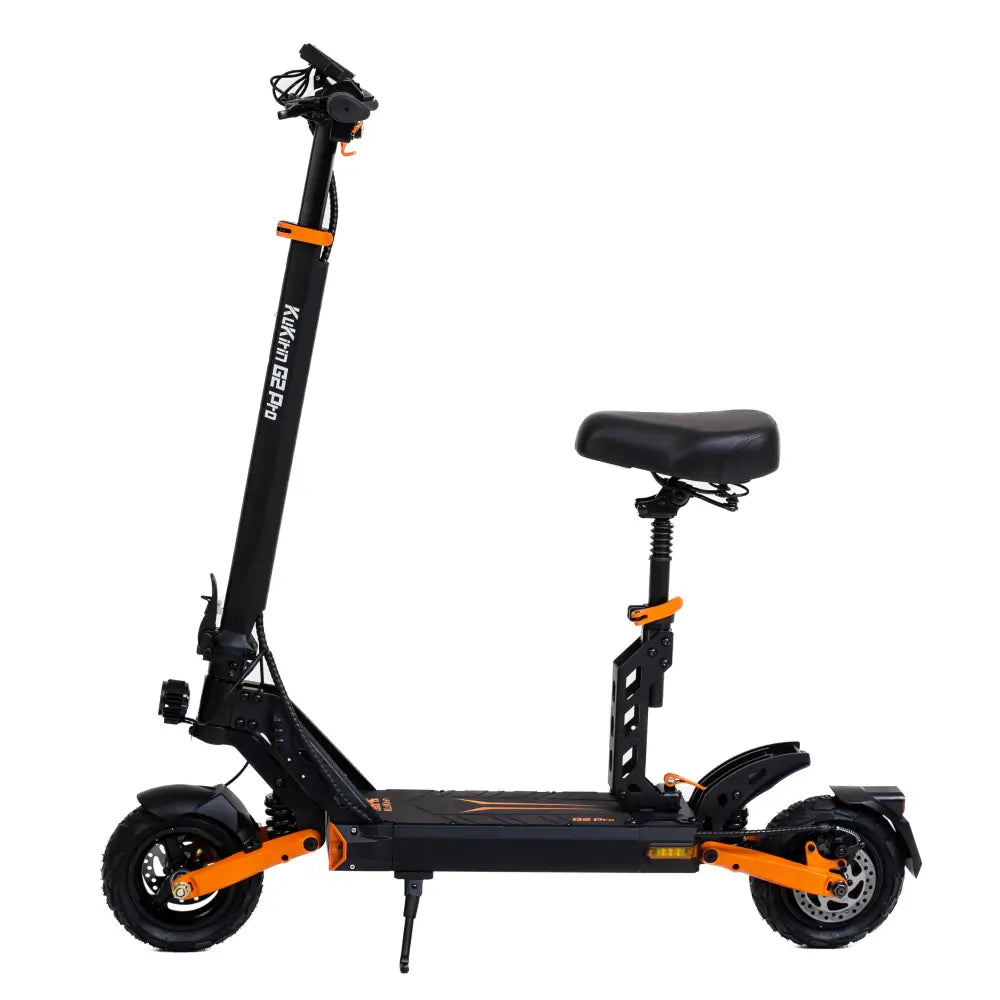
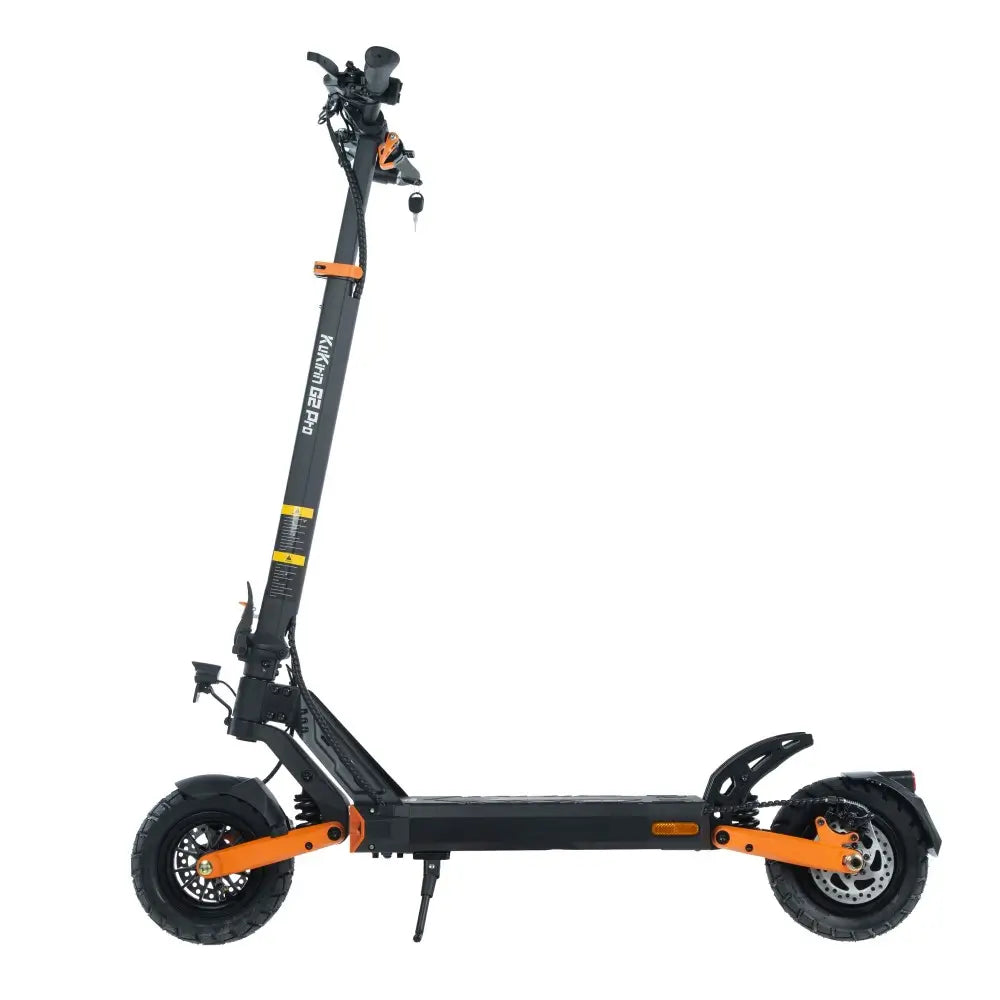
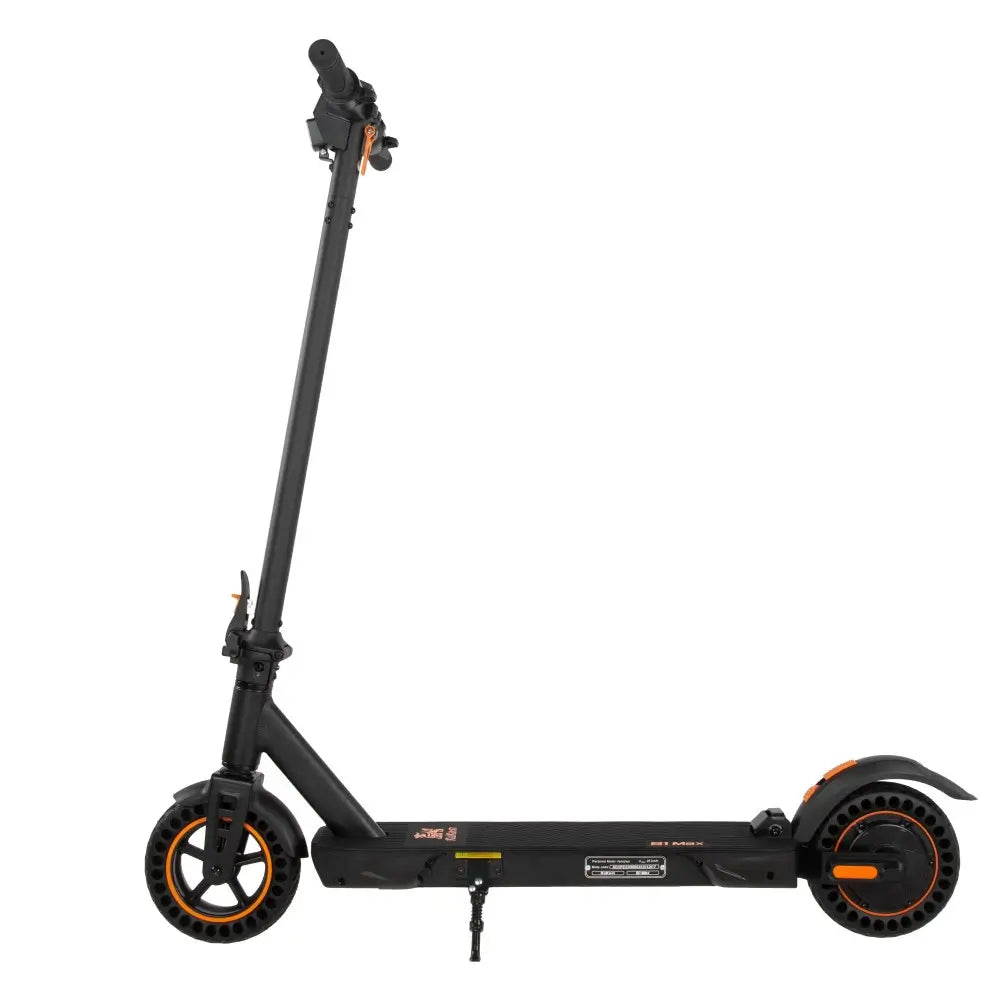
A scooter such as the KuKirin G2 represents this more balanced approach within the current range, with an 800W motor, 48V 15.6Ah battery and a claimed range of up to 58km on the UK store's current product listing.
The important point isn't the number itself.
It's that a scooter doesn't have to be extreme to be useful.
Mixed Surfaces
Things become more interesting when your routes aren't perfectly smooth.
Uneven ground, gravel and rougher private tracks place different demands on a scooter.
This is where suspension, tyre construction, braking and overall chassis design become much more relevant.
You are no longer buying purely for transportation.
You're buying something that needs to cope with a less predictable surface.
More Demanding Terrain
For riders who specifically want a machine for more demanding private-land riding, the priorities change again.
Power becomes more meaningful.
So does the drivetrain.
So does the overall construction.
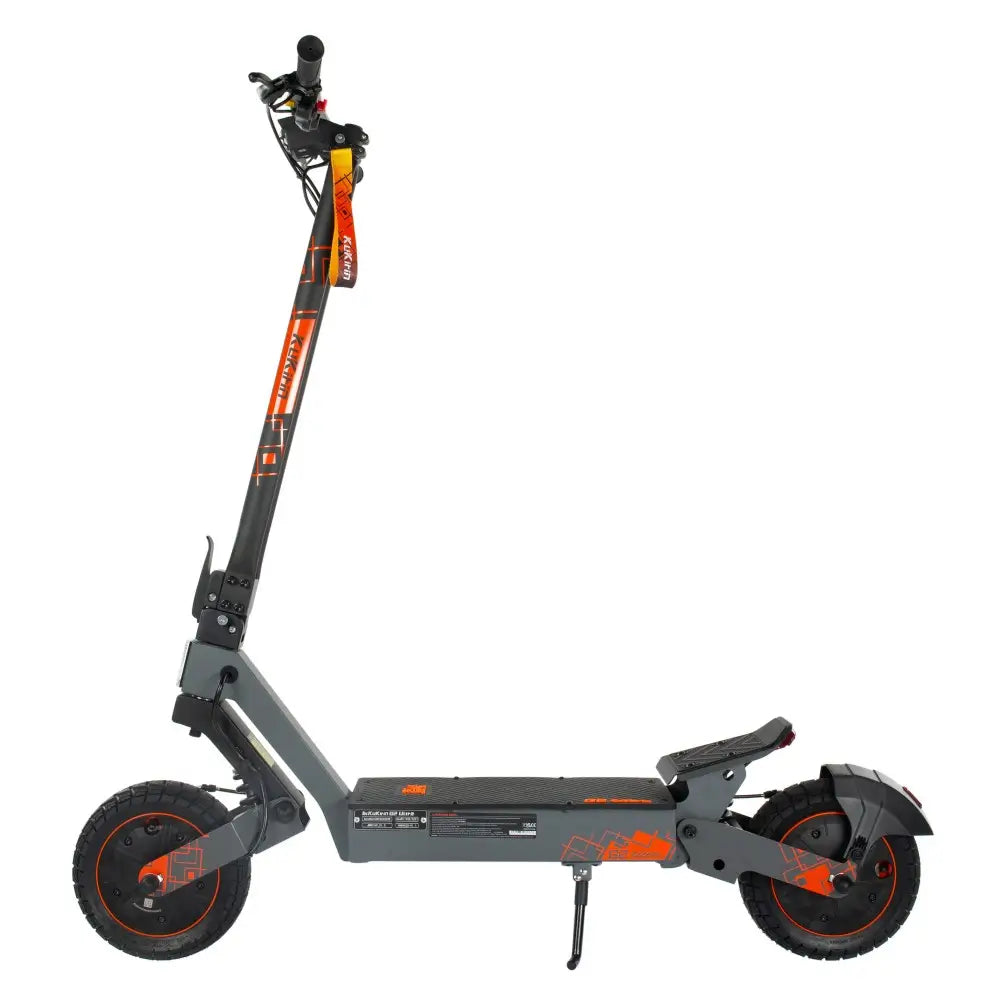
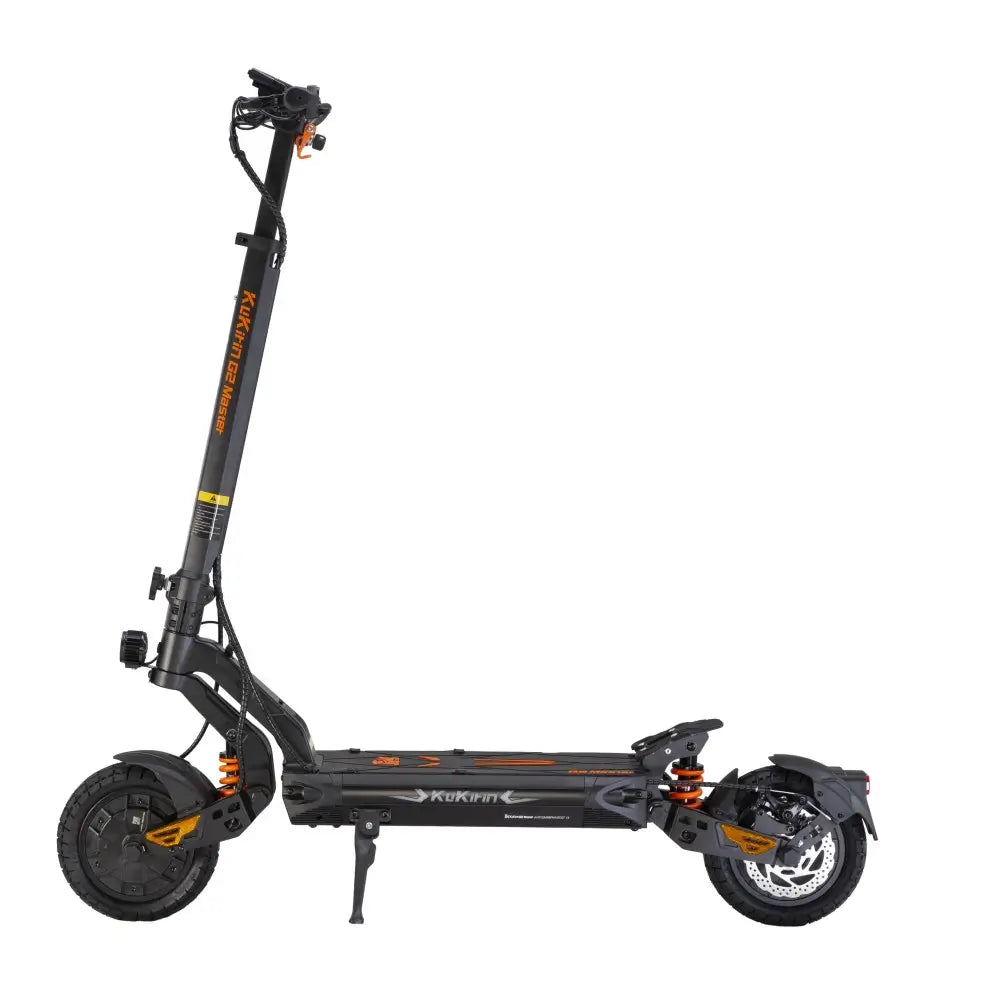
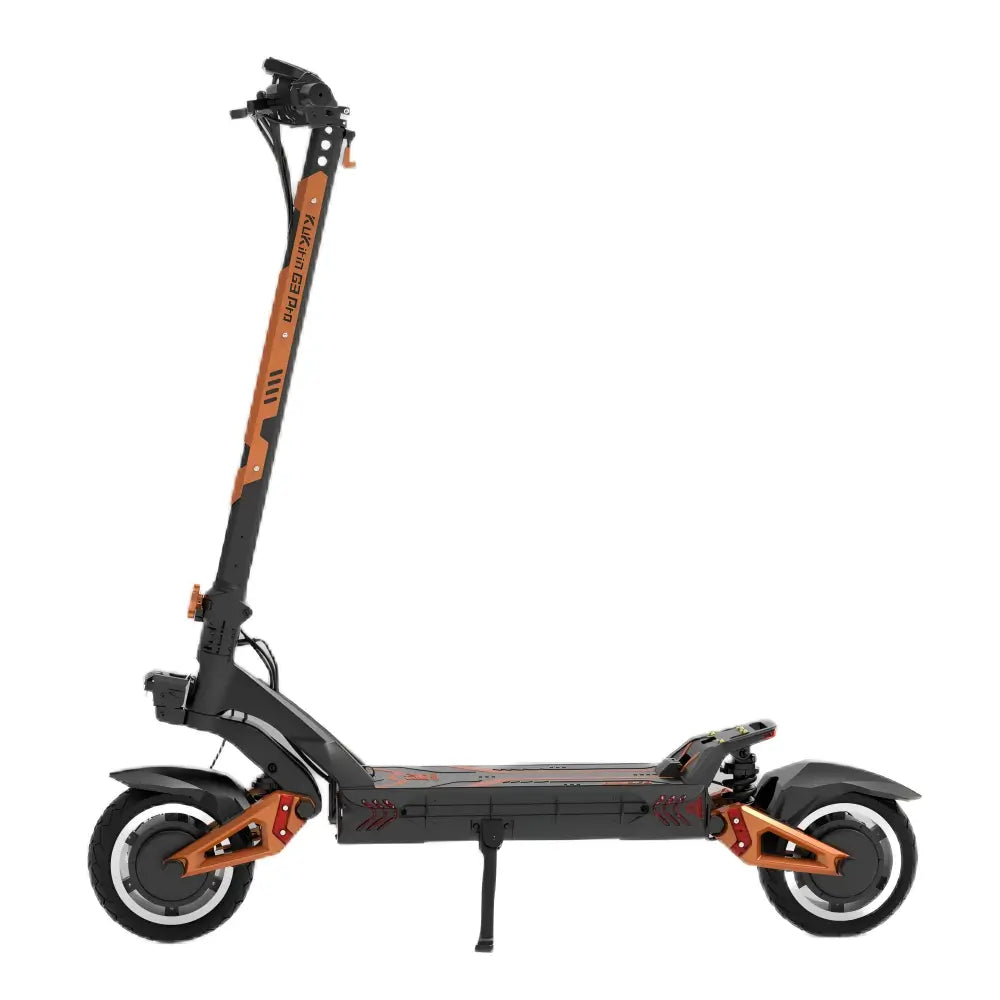
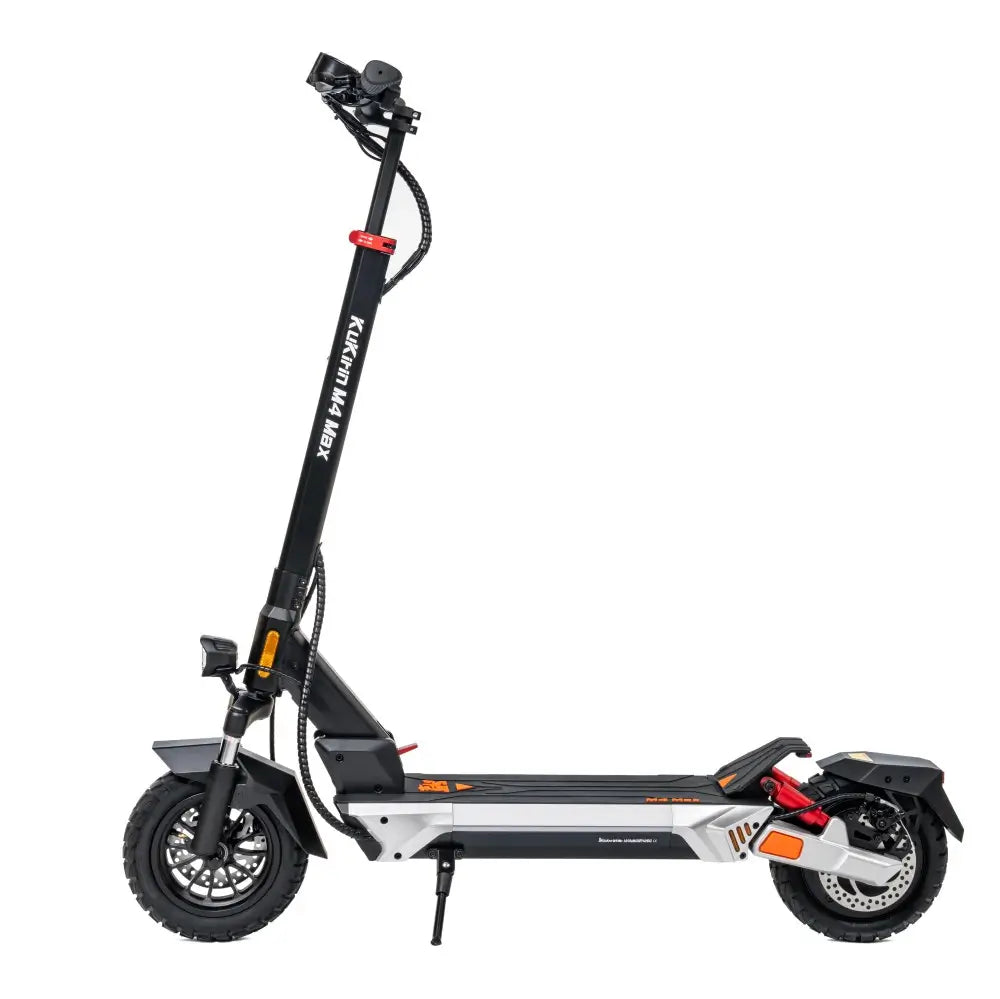
KuKirin's current UK range includes models spanning from the more everyday G2 through to machines such as the dual-motor G2 Master and high-output G4. The current new-arrivals collection lists the G2, G2 Master, G4 and G2 Ultra as its latest highlighted models.
They aren't simply four versions of the same idea.
They represent different interpretations of what an electric scooter can be.
Why Bigger Isn't Automatically Better
There is a strange habit in the e-scooter world of treating specifications like a leaderboard.
More power wins.
More range wins.
Higher speed wins.
Bigger tyres win.
But real-world riding doesn't work like that.
A heavier, more powerful scooter may be fantastic for a rider who wants performance and has somewhere suitable to use it.
For someone prioritising simple storage and short recreational rides, the same characteristics could become unnecessary compromises.
This is why “best electric scooter” is such a weak question.
Best for what?
Best where?
Best for whom?
Without those answers, a specification comparison doesn't tell you very much.

The Difference Between a Commuter and a Performance Scooter
The current KuKirin UK range makes this distinction particularly obvious.
The G2 is positioned as a more versatile option, while the G2 Master moves into dual-motor territory, with the current UK listing showing 1000W × 2 motors, a 52V 20.8Ah battery, a claimed 60km/h maximum speed and up to 70km range. The G4 goes further again, with a 2000W motor, 60V 20Ah battery, claimed 70km/h maximum speed and up to 75km range.
Looking at those numbers alone might make the G4 seem like the obvious winner.
It isn't.
It's simply designed around a different idea of riding.
The real decision is whether your use case justifies moving up that ladder.
What Changes After You Actually Own a Scooter
There is another reason buying by specification can be misleading.
You don't really know your priorities until you've ridden.
Before owning a scooter, you might think range is the most important thing.
After a few months, perhaps storage becomes more important.
Or you realise that you ride mostly on one type of surface.
Maybe you value a simple folding mechanism.
Maybe you want something with substantially more capability for private-land riding.
Your priorities become more specific because they are based on experience rather than assumptions.
That is why first-time buyers and experienced riders often approach the same product very differently.
A Scooter Should Fit Into Your Routine
A good scooter shouldn't create a new problem just because it solves an old one.
If storage is limited, a massive machine may be frustrating.
If your riding is recreational and terrain-focused, an ultra-compact commuter may feel restrictive.
If you're buying specifically for private-land performance, paying extra for characteristics you'll never use makes little sense.
The right choice is a balance.
Not the maximum of every specification, but the combination that makes sense for the way you intend to ride.
Why KuKirin's Range Doesn't Follow One Formula
This is also why KuKirin doesn't make every scooter look or perform the same way.
The current UK catalogue is divided into commuter, off-road and seated categories, alongside different drivetrain configurations including single- and dual-motor models.
That variety isn't just about giving shoppers more products to choose from.
Different riders genuinely need different machines.
The commuter rider and the performance rider may both want an electric scooter, but that's about where the similarities end.
One may value simplicity.
The other may value capability.
Neither is wrong.
What to Look at Before You Buy
Once you've decided where and how you'll use your scooter, the specification sheet becomes much easier to read.
Instead of scanning every number, focus on the few that relate directly to your situation.
Motor and drivetrain:
Think about the kind of terrain and performance you actually need, rather than automatically choosing the highest output.
Battery:
Look at claimed range as a reference point, not a guarantee of exactly how far you will travel. Real-world range varies with conditions and riding behaviour.
Suspension and tyres:
These matter more when the surfaces become rougher. They shouldn't be treated as decorative extras.
Braking:
The more capable the scooter, the more important it is to consider the complete braking setup rather than looking at motor power alone.
Size and weight:
A scooter that is difficult to store or move can become inconvenient surprisingly quickly.
Legal status:
Always establish whether your intended riding location and the specific scooter configuration are lawful before riding.
That last one belongs at the top of the list, not the bottom.
The New-Arrival Range Gives You Different Starting Points
For riders who already know what kind of experience they're looking for, KuKirin UK's New Arrivals collection currently brings together the G2, G2 Master, G4 and G2 Ultra.
It is a useful place to start because these models demonstrate the range of approaches within the current KuKirin lineup.
The G2 makes sense as a more balanced starting point.
The G2 Master takes the concept toward dual-motor performance.
The G4 is built around a much higher-output single-motor setup.
The G2 Ultra occupies another point in the range for riders looking for a more substantial machine.
The choice isn't about finding the winner.
It's about identifying which starting point makes sense for you.
The Best Scooter Is the One You Can Actually Use
That's the part that tends to get lost when buying decisions become a competition between numbers.
An electric scooter is not a spreadsheet.
It is something you store, carry, ride, charge and live with.
Its specifications matter, but only in context.
A 70km/h-capable scooter isn't automatically a better purchase than a 45km/h model if you have no need for that level of performance.
Likewise, choosing a smaller commuter-oriented model simply because it's cheaper doesn't make sense if your intended riding genuinely calls for something more capable.
The smartest purchase is usually somewhere in between:
enough capability for the riding you actually want, without paying for a version of yourself that doesn't exist.
Before You Choose, Picture the Ride
Forget the product page for a moment.
Picture a normal day.
Where are you riding?
What does the surface look like?
How much space do you have to store the scooter?
How often will you use it?
What kind of riding do you actually enjoy?
And, most importantly in the UK, is that intended riding permitted where you plan to do it?
Once you can answer those questions, the specifications stop being a wall of numbers.
They become useful information.
And that's when choosing an electric scooter becomes much easier.
FAQ
Are private e-scooters legal on UK roads?
Generally, no. Privately owned e-scooters cannot currently be ridden legally on public roads, pavements or cycle lanes in Great Britain. Rental e-scooters are subject to separate rules in designated trial areas. Always check the latest government guidance before riding.
What should I consider when choosing an electric scooter in the UK?
Start with your intended and lawful riding environment. Then consider factors such as motor configuration, battery, range, braking, tyres, suspension, size and storage.
Is a more powerful electric scooter always better?
No. Higher power can provide greater capability, but it can also mean a larger and heavier machine. The right level of performance depends on your intended use.
What is the difference between commuter and off-road electric scooters?
Commuter scooters generally prioritise everyday practicality, while off-road-oriented models are designed around more demanding terrain and recreational riding. The two categories serve different purposes.
What KuKirin scooters are currently featured in the UK new-arrivals range?
KuKirin UK's current New Arrivals collection highlights the G2, G2 Master, G4 and G2 Ultra.
Leave a comment