












Can You Legally Ride an Electric Scooter in the UK in 2026?


Electric scooters are becoming increasingly visible across UK towns and cities.
You may see rental scooters on city streets, commuters using them during transport trials, and increasingly powerful private scooters being sold online.
That naturally leads to a simple question:
Can you actually ride an electric scooter legally in the UK?
The answer in 2026 is more complicated than a simple yes or no.
The most important distinction is between privately owned electric scooters and rental e-scooters being used as part of an official government-backed trial.
And despite ongoing discussions about changing the law, the rules for privately owned e-scooters have not changed.
Are Electric Scooters Legal in the UK?
Electric scooters themselves are legal to buy and own in the UK.
The important issue is where and how they are used.
As of 2026, privately owned electric scooters cannot legally be used on public roads, pavements, cycle lanes or other public land.
The UK government's current guidance states that using a privately owned e-scooter on public land is against the law. Riders could face a fine, penalty points on their driving licence, and having the scooter impounded.
This is one of the most commonly misunderstood parts of UK e-scooter law.
Buying an electric scooter is not the same thing as having permission to ride it on public roads.
What About Rental Electric Scooters?
This is where things become confusing.
The UK government operates rental e-scooter trials in selected areas.
Within an official trial area, rental e-scooters can generally be used on roads, except motorways, and in cycle lanes. They must not be used on pavements.
The government currently lists trial areas including locations such as:
- London
- Birmingham
- Liverpool
- Leeds
- Bristol
- Cambridge
- Brighton and Hove
- Cornwall
- Oxford
- Nottingham
- Bournemouth and Poole
The list can change as trials open, close or are amended, so riders should always check the latest official information rather than relying on an old map or article.
And this distinction is crucial:
The rules that apply to rental scooters in official trials do not automatically apply to privately owned scooters.

Why Can Rental Scooters Be Used on Public Roads?
Rental e-scooters operating within government trials are subject to a specific regulatory framework.
For example, users of rental e-scooters need an appropriate driving licence entitlement, and rental scooters have a maximum permitted speed of 15.5 mph, although some areas may impose lower limits.
There are also additional rules covering:
- Where they can be ridden
- Insurance
- Number of riders
- Mobile phone use
- Towing
- Operator requirements
That's why seeing a rental scooter legally travelling through a city does not mean a privately owned scooter has the same legal status.
Can You Ride a Private E-Scooter on the Pavement?
No.
Privately owned e-scooters cannot currently be used on public pavements.
This is separate from the rules governing certain mobility scooters and powered wheelchairs, which are regulated under different legislation.
The UK government's 2026 consultation specifically distinguishes e-scooters from those mobility devices and notes that powered transporters such as e-scooters are currently illegal to use on roads or pavements outside government rental trial areas.
Can You Ride a Private E-Scooter on a Cycle Lane?
Not under the current rules.
Cycle lanes and cycle tracks can look like an obvious place for an electric scooter, but private e-scooters do not currently have the same legal status as electrically assisted pedal cycles.
Government guidance for rental trials specifically allows participating rental e-scooters to use cycle lanes within trial areas. That permission does not extend to privately owned scooters.
What About Riding on Private Land?
Private land is different from public roads and public spaces.
If you are riding an electric scooter on genuinely private land with the landowner's permission, the situation is different from using the scooter on public highways.
However, "private land" should not simply be assumed because an area looks quiet or has limited traffic.
A private car park, housing development or other location may have different access arrangements and legal considerations.
If you're unsure, check whether the land is genuinely private and whether you have permission to ride there.
What Happens If You Ride a Private Scooter Illegally?
The consequences can include:
- A fine
- Penalty points on your driving licence
- The scooter being impounded
The government's current guidance explicitly warns of these consequences for illegal use of privately owned e-scooters.
So while enforcement may vary from place to place, it isn't accurate to assume that private e-scooters are currently "basically legal" simply because they're widely available for purchase.

Is the UK E-Scooter Law Changing?
This is where things get interesting.
The UK government is actively reviewing the law surrounding powered mobility devices and micromobility.
In its 2026 consultation, the Department for Transport states that the government has committed to pursuing legislative reform to create safe, legal routes for micromobility vehicles such as e-scooters when parliamentary time allows.
That is significant—but it does not mean private e-scooters are already legal on UK public roads.
The consultation is part of the process of considering potential changes.
Until legislation actually changes, riders need to follow the rules currently in force.
Why Is the Government Reviewing the Rules?
Electric scooter technology has developed much faster than the legislation governing it.
The government's 2026 consultation recognises that modern micromobility devices have evolved considerably and explores how the legal framework could better accommodate newer forms of transport while maintaining safety.
The broader discussion includes questions around:
- Where micromobility devices should be allowed
- Speed limits
- Vehicle specifications
- Safety requirements
- Different categories of users
- Accessibility
- The relationship between scooters, cycles and other mobility devices
The key point is that a review is not the same thing as a new law.
What Should You Check Before Buying an Electric Scooter?
If you're considering buying an electric scooter in the UK, don't just look at motor power, battery capacity or top speed.
First consider where you intend to use it.
For private ownership, understand that the current rules do not permit riding the scooter on public roads or other public land.
You should also check:
1. Current UK Regulations
Don't rely solely on social media posts or old articles.
Government guidance can change, and proposed legislation can be confused with existing law.
2. Where You Plan to Ride
If your intended route is a public road, pavement or cycle lane, current private e-scooter restrictions are particularly important.
3. Whether You're Using a Rental or Private Scooter
The rules are not interchangeable.
An approved rental scooter being used in a trial area is subject to a different framework from a privately owned scooter.
4. Your Local Situation
Trial areas and local arrangements can change, so always verify the latest official information.
What Does This Mean for KuKirin Riders?
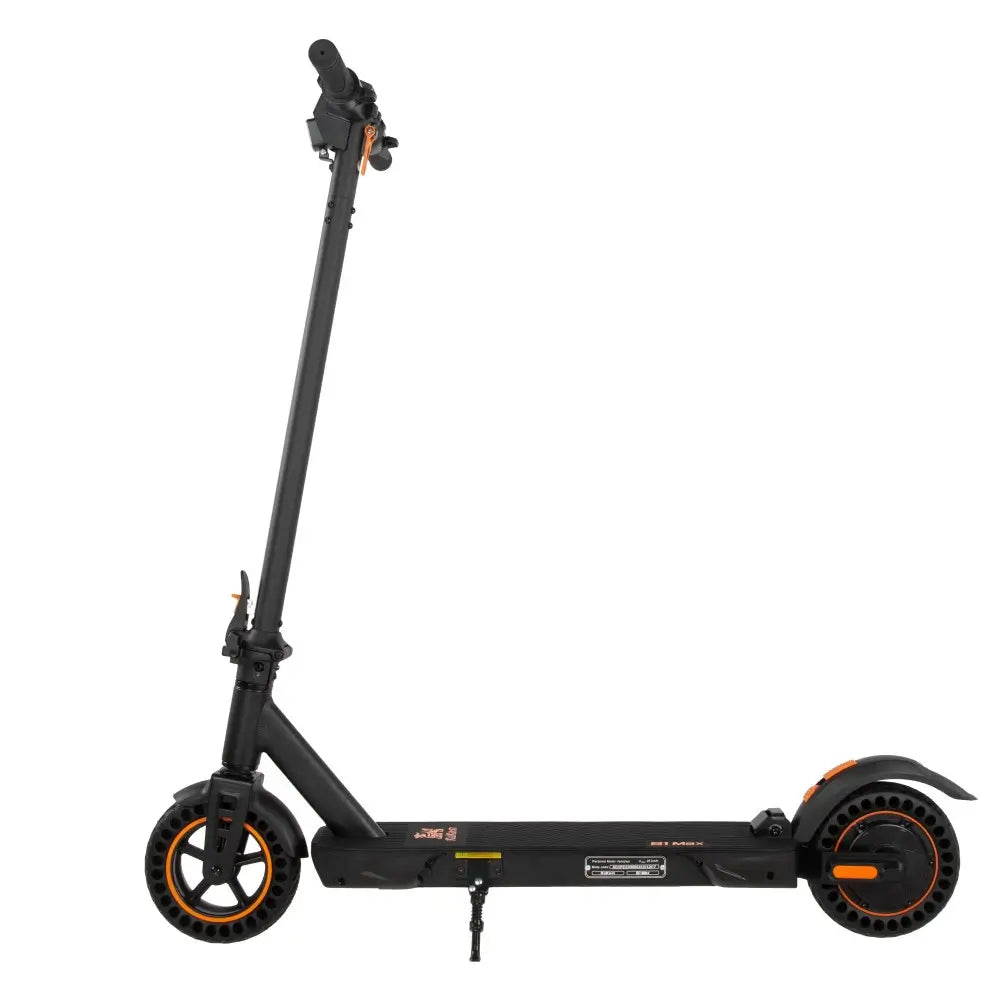
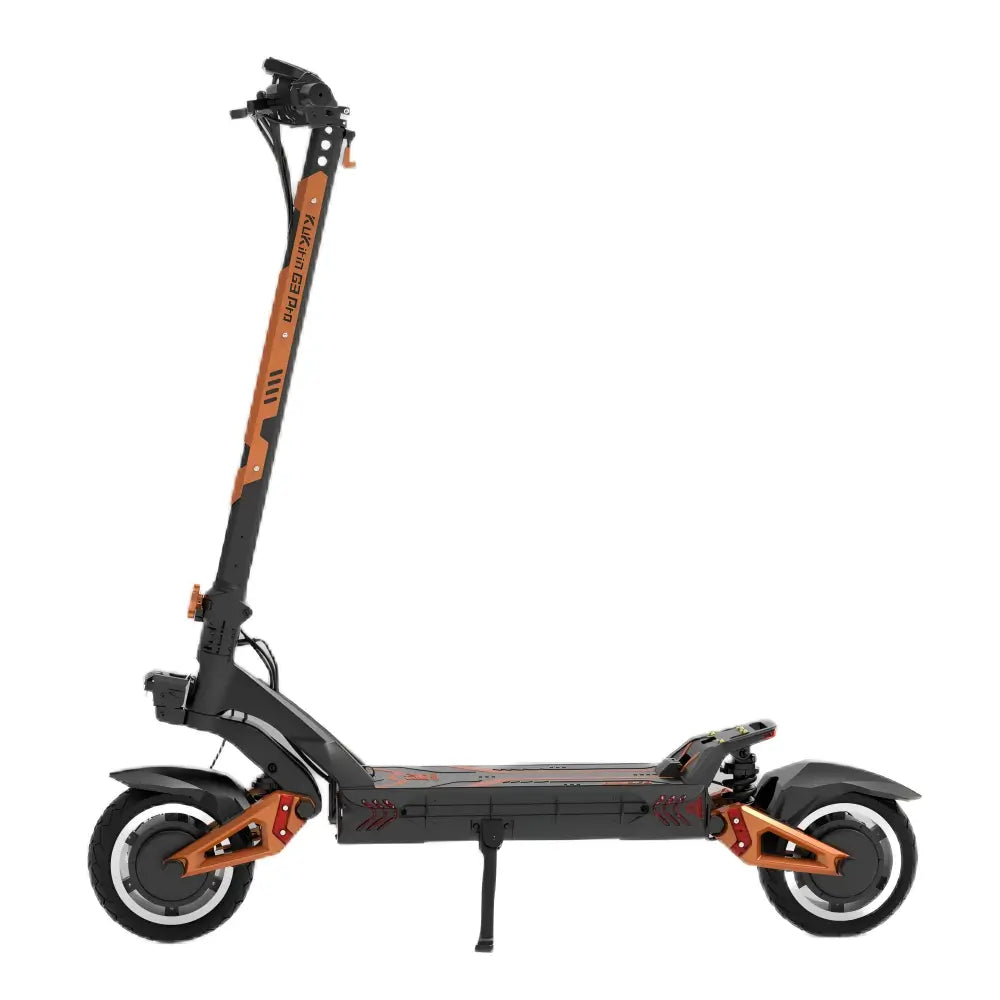
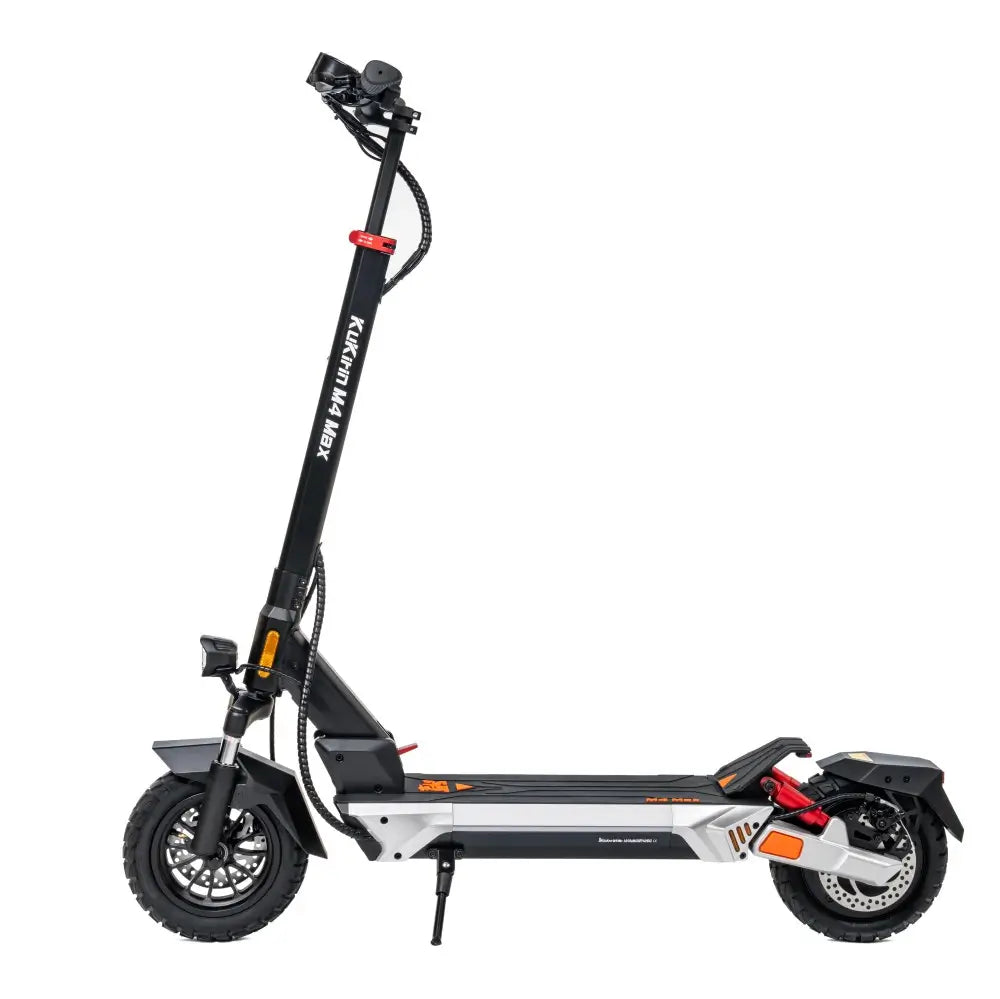
KuKirin offers a range of electric scooters designed around different riding styles, from everyday models to higher-performance machines.
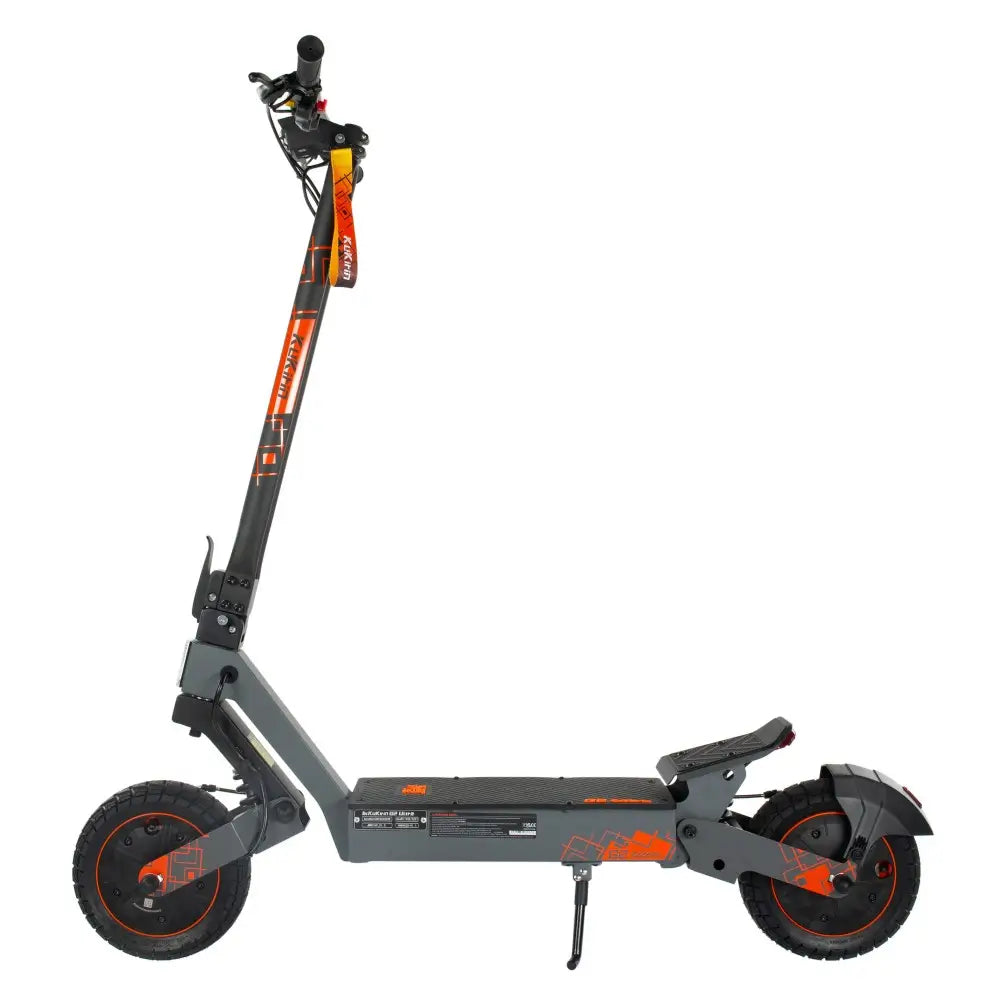
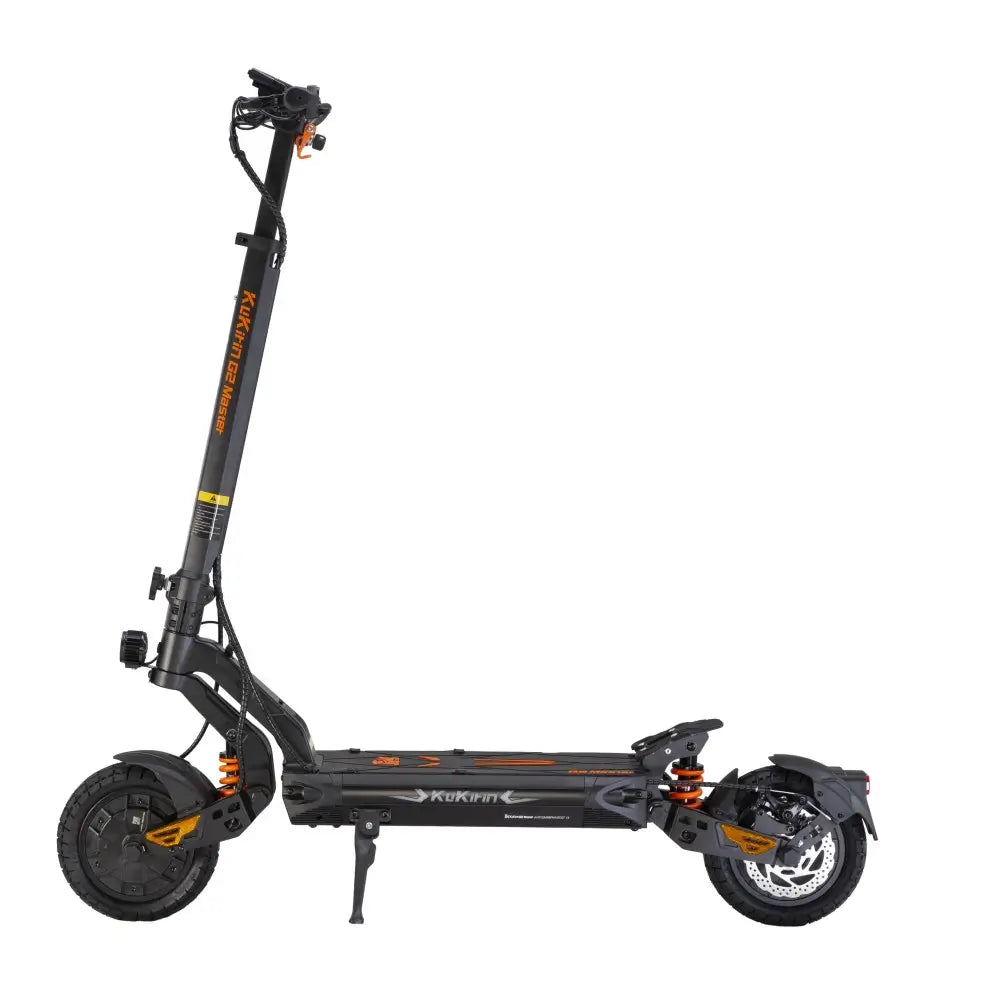
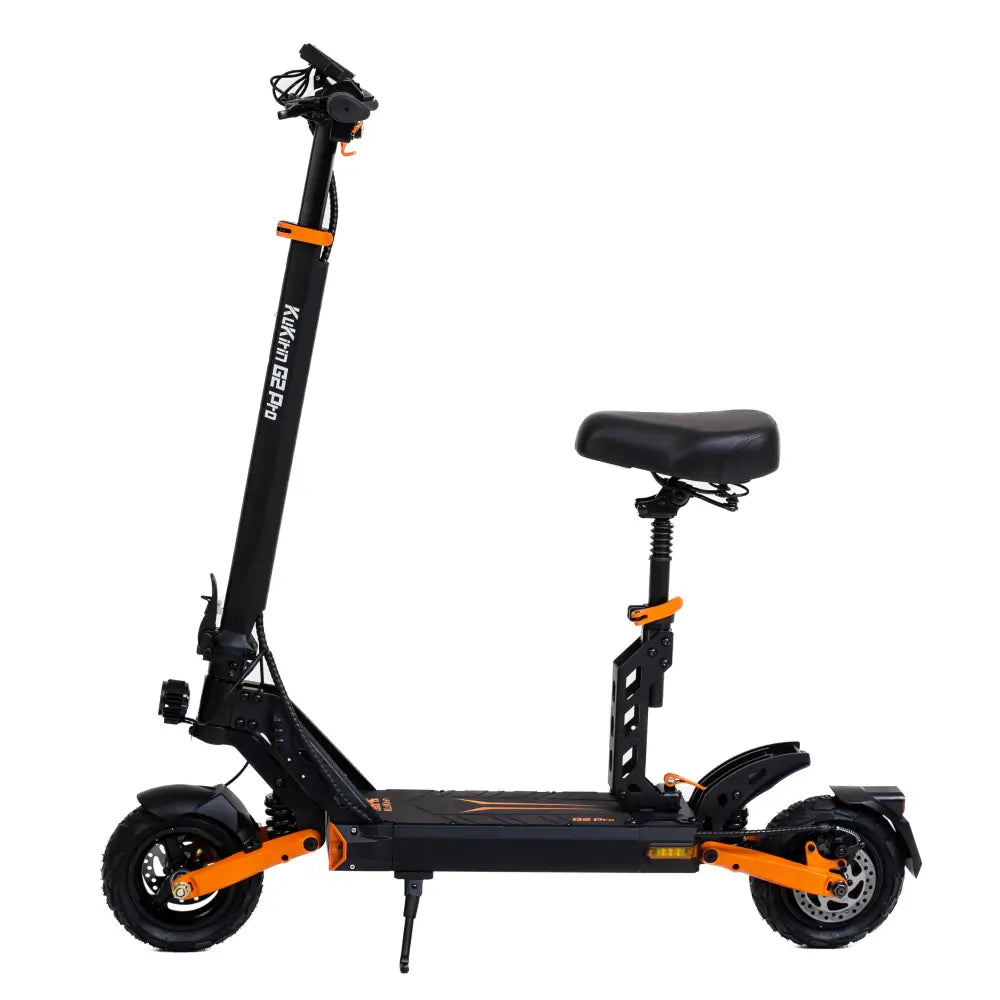
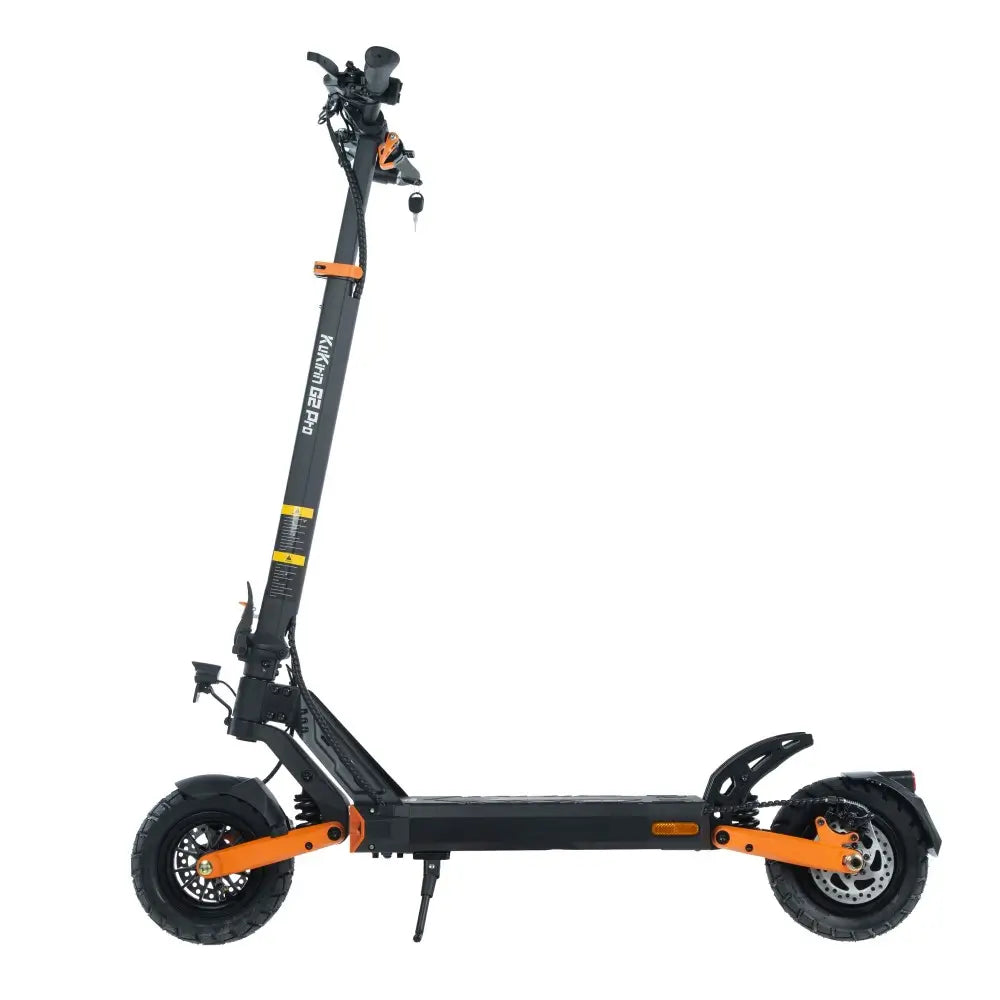
The current KuKirin UK electric scooter range includes models such as the G2, G2 Master, G2 Ultra, G4 and other scooters.
However, the specifications of a scooter don't determine whether you can legally use it on a particular UK public road.
A scooter's motor power, top speed or suspension setup should therefore be considered separately from the question of where that scooter can legally be ridden.
Before riding, make sure you understand the rules that apply to your situation.
What Could Change in the Future?
The UK's micromobility landscape is clearly evolving.
The government has already acknowledged that existing legislation does not fully reflect modern mobility technology and has begun reviewing the framework.
That could eventually lead to clearer rules for privately owned e-scooters.
But until those changes become law, speculation should not be treated as permission.
For riders, the safest approach is simple:
Follow the law that exists today, not the law you expect to exist tomorrow.
Final Takeaway
So, can you legally ride an electric scooter in the UK in 2026?
If it's privately owned, not on public land.
If it's part of an official rental trial, different rules apply within the relevant trial area.
The UK government is reviewing the wider legal framework and has indicated that it intends to pursue legislative reform for micromobility when parliamentary time allows. But those potential changes do not replace the rules currently in force.
If you're considering an electric scooter, the important thing isn't just choosing the right model.
It's understanding where you're legally allowed to ride it.
For the latest KuKirin models and product information, visit the KuKirin UK Official Store.
Note: UK e-scooter legislation is subject to change. This article reflects the official UK government guidance available in August 2026 and is intended for general information, not legal advice. Always check the latest GOV.UK guidance before riding.
Leave a comment